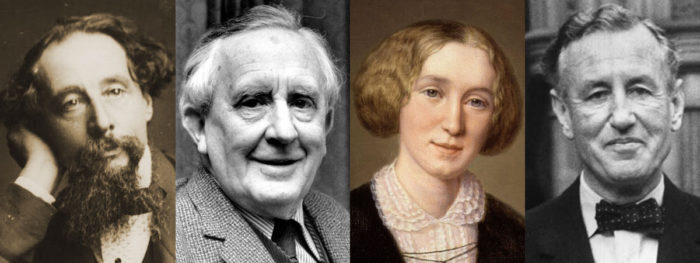
Literary Tour of England’s Authors
Literary tour of England’s authors – Embarking on a literary tour of England allows enthusiasts to delve into the rich tapestry of the country’s literary history, exploring the landscapes and settings that inspired some of the world’s most renowned authors and their works.
Throughout different regions of England, key authors have left their mark with iconic literary works that continue to captivate readers worldwide. From the moors of Yorkshire to the bustling streets of London, each location holds a unique connection to the literary greats who once walked its paths.
Key Authors and Their Famous Works
- William Shakespeare – Known for his timeless plays such as “Romeo and Juliet” and “Hamlet,” Shakespeare’s legacy is deeply intertwined with the city of Stratford-upon-Avon.
- Jane Austen – The picturesque villages of Hampshire and Bath served as the backdrop for Austen’s novels like “Pride and Prejudice” and “Sense and Sensibility,” reflecting the societal norms of her time.
- Charles Dickens – The bustling streets of Victorian London come to life in Dickens’ works such as “Oliver Twist” and “Great Expectations,” showcasing the city’s social complexities.
Impact of English Landscapes on Literary Works
- The rugged landscapes of the Lake District inspired poets like William Wordsworth and Samuel Taylor Coleridge, leading to the birth of the Romantic movement in English literature.
- The haunting moors of Yorkshire set the stage for Emily Brontë’s “Wuthering Heights,” a tale of passion and revenge amidst the wild beauty of the countryside.
Anecdotes and Stories of Famous Authors
- Virginia Woolf found solace and inspiration in the serene surroundings of Monk’s House in East Sussex, where she penned many of her groundbreaking works.
- Agatha Christie’s beloved holiday home, Greenway Estate in Devon, provided the setting for her murder mysteries, showcasing the charm of the English countryside.
Travel Tips for a Literary Tour
When planning a literary tour in England, it’s essential to create a flexible itinerary that allows you to visit multiple landmarks while still enjoying the experience. Here are some tips to help you make the most of your literary journey.
Best Time to Visit England
England’s weather can be unpredictable, but the best time to visit for a literary tour is typically during the spring or summer months. This is when the weather is milder, and you can explore outdoor literary sites comfortably. Keep in mind that popular locations might be more crowded during peak tourist seasons.
Transportation Options
For traveling between literary landmarks, consider using a combination of public transportation and guided tours. Trains and buses are efficient ways to get around, especially in cities like London, Oxford, and Stratford-upon-Avon. Additionally, joining a literary-themed tour can provide valuable insights and access to exclusive locations.
Renting a car is also an option if you prefer more independence in your travels.
Travel Itinerary for Literary Tour
For literature enthusiasts embarking on a literary tour of England, a well-crafted itinerary can make all the difference in experiencing the rich literary history of the country. This sample itinerary aims to strike a balance between visiting famous author-related sites and immersing in the local culture of England.
Day 1: London
- Start your literary journey at the British Library, home to a vast collection of manuscripts and literary treasures.
- Visit the Charles Dickens Museum in Bloomsbury to explore the life and works of the iconic author.
- Stroll along the South Bank to visit Shakespeare’s Globe Theatre and feel the essence of his plays.
Day 2: Oxford
- Head to Oxford, a city steeped in literary history, and visit the Bodleian Library where many authors found inspiration.
- Explore the Eagle and Child pub, where the famous Inklings group, including C.S. Lewis and J.R.R. Tolkien, used to meet.
- Take a guided tour of Christ Church College, which inspired scenes in Lewis Carroll’s “Alice’s Adventures in Wonderland.”
Day 3: Stratford-upon-Avon
- Travel to Shakespeare’s birthplace in Stratford-upon-Avon and visit the renowned Royal Shakespeare Theatre.
- Explore Anne Hathaway’s Cottage, where Shakespeare’s wife lived, for a glimpse into their life.
- Immerse yourself in the local culture by attending a Shakespearean play performed by the Royal Shakespeare Company.
Day 4: Haworth
- Journey to the picturesque village of Haworth, home to the Brontë Parsonage Museum dedicated to the Brontë sisters.
- Walk the moors that inspired Emily Brontë’s “Wuthering Heights” and visit the quaint village church where the sisters are buried.
- Experience traditional Yorkshire cuisine and explore the charming streets of Haworth.
Day 5: Bath
- Conclude your literary tour in Bath, a city beloved by Jane Austen, and visit the Jane Austen Centre to learn about her life and novels.
- Explore the Roman Baths for a taste of history and culture that influenced Austen’s writing.
- Indulge in a traditional afternoon tea at a local tearoom to savor the essence of English literary traditions.
Beach Resorts with Literary Connections
When planning a literary tour of England, don’t overlook the beach resorts that hold historical or literary significance. These coastal destinations have inspired famous authors and served as retreats for writers seeking inspiration.
Brighton Beach
Brighton Beach, located in East Sussex, has a rich literary history. This seaside town was a favorite retreat for famous authors such as Jane Austen, Charles Dickens, and Virginia Woolf. Visitors can explore the Royal Pavilion, a former royal residence that inspired scenes in various novels.
Bournemouth Beach
Bournemouth Beach in Dorset is another coastal gem with literary connections. This resort town was frequented by J.R.R. Tolkien, who found inspiration for the landscapes of Middle-earth in the surrounding area. Visitors can enjoy the stunning views that captivated the renowned author.
Whitby Beach
Whitby Beach in North Yorkshire is not only known for its picturesque setting but also as the inspiration for Bram Stoker’s “Dracula.” The eerie cliffs and Gothic architecture of Whitby Abbey provided the backdrop for the iconic novel, making it a must-visit for literature enthusiasts.
Cultural Tours and Literary Heritage
Exploring the rich cultural heritage of England through literary tours offers a unique opportunity to delve deeper into the works of famous authors and poets. These tours provide a fascinating insight into the lives of these literary figures and the environments that inspired their masterpieces.
Examples of Cultural Tours Focusing on England’s Literary History
- Stratford-upon-Avon: A visit to Shakespeare’s birthplace and the Royal Shakespeare Theatre allows visitors to immerse themselves in the world of the Bard. Guided tours showcase the places that influenced Shakespeare’s works and offer a glimpse into his life.
- The Brontë Parsonage Museum: Located in Haworth, this museum is dedicated to the Brontë sisters – Charlotte, Emily, and Anne. Visitors can explore the rooms where these literary geniuses created their timeless novels such as “Jane Eyre” and “Wuthering Heights.”
- The Charles Dickens Museum: Situated in London, this museum is housed in the former home of the iconic author Charles Dickens. Tourists can walk through the rooms where Dickens wrote classics like “Oliver Twist” and “Great Expectations,” gaining a deeper understanding of his life and works.
Cruise Vacations and Literary Themes
When it comes to exploring England’s literary landscape in a unique and immersive way, cruise vacations offer a fantastic opportunity to do so. By incorporating literary themes into cruise itineraries along England’s picturesque coast, travelers can delve into the rich history and inspiration behind some of the country’s most renowned authors and their works.
Literary-Themed Cruise Tours
Embark on a literary adventure with specialized cruise tours that focus on England’s authors and their literary contributions. These tours often include visits to significant literary landmarks, author’s homes, and settings that inspired famous novels. Participants can engage in discussions, book readings, and themed activities on board, creating a truly immersive experience for literature enthusiasts.
Backpacking Trips for Literature Enthusiasts: Literary Tour Of England’s Authors
Embarking on a backpacking trip through England can be an exciting way for literature enthusiasts to explore the country’s rich literary history. It offers a more immersive and adventurous experience compared to traditional tours.
Advantages of Backpacking for Exploring England’s Literary History
- Flexibility to visit off-the-beaten-path literary sites that may not be included in typical tourist itineraries.
- Opportunity to connect with locals and fellow travelers who share a passion for literature, fostering enriching conversations and experiences.
- Budget-friendly option for those looking to explore multiple literary destinations without breaking the bank.
Challenges of Backpacking for Exploring England’s Literary History
- Carrying all your belongings on your back can be physically demanding, especially when trekking to remote literary sites.
- Weather conditions in England can be unpredictable, so be prepared for varying temperatures and rainfall during your backpacking trip.
- Finding accommodation along the way may require flexibility and adaptability, as last-minute changes in plans are common for backpackers.
Packing Tips and Essential Items for a Literary-Themed Backpacking Trip
- Choose a lightweight and durable backpack that fits comfortably on your back for long hours of walking.
- Pack versatile clothing suitable for layering to adapt to changing weather conditions in England.
- Bring a portable charger and adapters to keep your electronic devices powered up for mapping literary sites and capturing memories.
- Include a journal or notebook to jot down your thoughts, reflections, and literary inspirations during your backpacking journey.
- Don’t forget to pack a reusable water bottle, snacks, and a map of literary landmarks to stay hydrated and fueled while exploring.
City Breaks and Literary Landmarks

Exploring major cities in England that are renowned for their literary heritage and landmarks can be a fascinating experience for literature enthusiasts. Planning a city break itinerary that includes visits to significant literary sites is essential to fully immerse oneself in the rich literary history of the country.
Here are some recommendations for city breaks that cater to literature lovers:
London
London, the capital city of England, is a treasure trove of literary landmarks. From the iconic Shakespeare’s Globe Theatre to the Charles Dickens Museum, there are plenty of sites to explore. Make sure to visit the British Library, home to a vast collection of literary works, including original manuscripts by famous authors.
Oxford
Oxford is another must-visit city for literature enthusiasts. Known for its prestigious university, Oxford has inspired countless writers, including J.R.R. Tolkien and C.S. Lewis. Take a walking tour of the city to discover the locations that influenced these literary giants.
Stratford-upon-Avon, Literary tour of England’s authors
For fans of William Shakespeare, a visit to Stratford-upon-Avon is a dream come true. Explore Shakespeare’s birthplace, Anne Hathaway’s Cottage, and the Royal Shakespeare Theatre to delve into the life and works of the Bard.
Travel Blogs on Literary Tours
Travel blogs focusing on literary tours in England have gained significant popularity in recent years. These blogs provide readers with valuable insights, recommendations, and detailed itineraries for exploring the rich literary heritage of the country. By documenting their own experiences and sharing tips and recommendations, travel bloggers play a crucial role in inspiring and guiding readers who are interested in embarking on literary-themed trips.
Prominent Travel Bloggers Specializing in Literary Tours
- Bookish Adventures: This blog is run by a passionate bibliophile who curates unique literary tours across England, delving into the lives and works of famous authors.
- Literary Wanderlust: With a focus on literary history and hidden gems, this blog offers in-depth guides to literary landmarks and lesser-known bookish destinations.
- Pages & Passports: Combining the love for travel and literature, this blog showcases literary-themed trips with a personal touch, making readers feel like they are on the journey themselves.
Role of Travel Blogs in Inspiring and Guiding Readers
- Providing Detailed Itineraries: Travel blogs offer comprehensive itineraries for literary tours, including must-visit attractions, bookshops, cafes, and literary events.
- Sharing Insider Tips: Bloggers share insider tips on navigating literary landmarks, interacting with locals, and immersing oneself in the literary culture of England.
- Creating Virtual Travel Experiences: Through vivid storytelling and stunning visuals, travel blogs transport readers to the world of famous authors and their literary legacies, sparking wanderlust and curiosity.
Travel Essentials for a Literary Tour
When embarking on a literary tour in England, it’s essential to pack the right items to ensure a comfortable and enjoyable experience. Here are some recommendations on what to bring along for your literary-themed trip:
Gear and Accessories
- A reliable camera or smartphone for capturing memorable moments at literary landmarks.
- A portable charger to ensure your devices stay powered up throughout the day.
- A small backpack or tote bag to carry books, maps, and other essentials during your explorations.
- A journal or notebook for jotting down thoughts, quotes, and insights inspired by the places you visit.
- A comfortable pair of walking shoes to navigate cobblestone streets and uneven terrains.
Clothing Choices
- Weather-appropriate clothing layers to adapt to England’s unpredictable climate, including a waterproof jacket and sturdy umbrella.
- A lightweight scarf or shawl for cooler evenings or visits to historic buildings with no heating.
- Comfortable and casual outfits for long days of walking and exploring literary sites.
Organization Tips
- Create a detailed itinerary with addresses, opening hours, and contact information for each literary landmark you plan to visit.
- Carry a map or use a navigation app to help you find your way around unfamiliar cities and towns.
- Pack a small first aid kit with essentials like bandages, pain relievers, and any necessary medications.
- Stay hydrated by carrying a reusable water bottle and refilling it throughout the day.
- Keep important documents like passports, tickets, and hotel reservations in a secure and easily accessible location.
Travel Photography and Literary Sites
Travel photography plays a vital role in capturing the essence and beauty of literary sites that have inspired famous authors throughout history. It allows us to visually document these locations and share their stories through captivating images.When embarking on a literary tour, it is essential to hone your photography skills to effectively capture the landscapes and settings that have influenced renowned writers.
Here are some tips for photographing literary sites:
Capturing Landscapes and Locations
- Focus on the details: Pay attention to the unique features of the surroundings that have inspired literary works.
- Experiment with angles: Try different perspectives to showcase the essence of the location in your photos.
- Utilize natural light: Take advantage of the natural lighting to enhance the mood and ambiance of the literary sites.
- Include elements of nature: Incorporate elements such as trees, rivers, or mountains to add depth to your photos.
Importance of Storytelling through Photography
- Capture the essence: Aim to convey the emotions and stories behind the literary sites through your photographs.
- Create a narrative: Develop a visual narrative that showcases the connection between the location and its literary significance.
- Evoke nostalgia: Use photography to evoke a sense of nostalgia and transport viewers to the world of their favorite literary works.
- Showcase creativity: Experiment with different photography techniques to bring a fresh perspective to familiar literary sites.
Q&A
How can I plan a literary tour itinerary in England?
Research key author-related sites, consider transportation options, and create a balanced itinerary mixing well-known and lesser-known literary landmarks.
When is the best time to visit England for a literary tour?
Spring and summer offer pleasant weather for exploring literary sites, but autumn provides a picturesque backdrop with colorful foliage.
Are there any beach resorts in England with literary connections?
Yes, explore beach resorts like Brighton and Bournemouth, which have historical significance and inspired famous authors like Jane Austen and Lewis Carroll.