Essential photography gear for travel bloggers: Must-have equipment and tips

Essential photography gear for travel bloggers

Essential Photography Gear for Travel Bloggers

Essential photography gear for travel bloggers – When it comes to travel blogging, having the right photography gear is essential to capture stunning images that will engage your audience. Here, we will discuss the must-have camera equipment for travel photographers, the importance of lightweight and versatile gear, the suitability of different types of cameras for travel, and tips on packing and protecting your gear while on the move.

Must-Have Camera Equipment

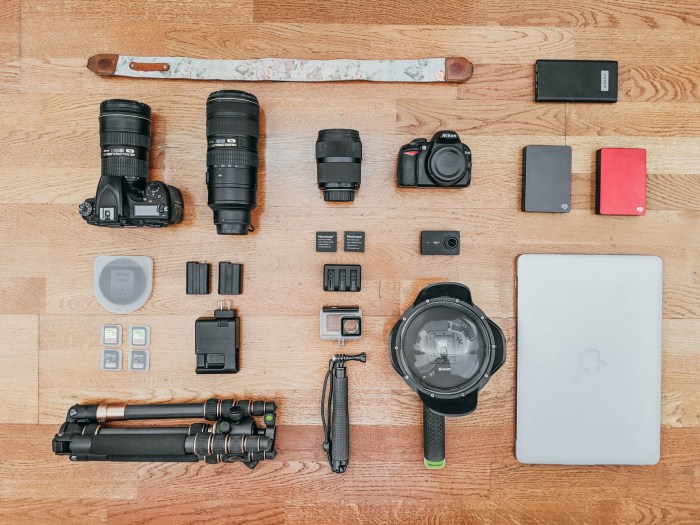
  • A high-quality camera body: Whether you choose a DSLR, mirrorless, or compact camera, opt for one with good image quality and low-light performance.
  • A versatile lens: Invest in a lens that covers a wide range of focal lengths to capture a variety of shots without carrying multiple lenses.
  • A sturdy tripod: A lightweight and portable tripod can help you stabilize your shots, especially in low light situations or when shooting long exposures.
  • Extra batteries and memory cards: Always carry spare batteries and memory cards to avoid running out of power or storage space while on the go.

Importance of Lightweight and Versatile Gear

Travel bloggers are constantly on the move, so having lightweight and versatile gear is crucial to ensure comfort and convenience while capturing stunning images.

Types of Cameras for Travel

  • DSLRs: DSLRs offer great image quality and versatility, but they can be bulky and heavy to carry around during travel.
  • Mirrorless: Mirrorless cameras are compact and lightweight, making them ideal for travel photography without sacrificing image quality.
  • Compact Cameras: Compact cameras are small and easy to carry, but may have limitations in terms of image quality and manual controls.

Tips for Packing and Protecting Camera Gear

  • Use a padded camera bag to protect your gear from bumps and shocks during travel.
  • Consider investing in a compact camera cleaning kit to keep your gear in top condition while on the road.
  • Use lens filters to protect your lenses from dust, scratches, and other elements while shooting in different environments.

Travel Tips

When it comes to capturing the essence of a destination through photography, there are several tips and techniques that can help elevate your travel photos to the next level. From finding unique perspectives to making the most of natural lighting, here are some essential travel photography tips to keep in mind.

Unique Perspectives and Angles

Finding unique perspectives and angles while photographing popular landmarks can help your photos stand out from the rest. Instead of capturing the typical postcard shot, try exploring different vantage points or shooting from unconventional angles. This can add a fresh and interesting twist to your travel photos, making them more engaging for your audience.

Natural Lighting

Natural lighting plays a crucial role in travel photography, as it can dramatically impact the mood and quality of your photos. When shooting outdoors, try to take advantage of the soft, warm light during the golden hours of sunrise and sunset.

Additionally, consider how the direction of light can enhance the textures and colors of your subject. Experimenting with different lighting conditions can help you create stunning travel photos that truly capture the beauty of the destination.

Post-Processing Software

While capturing great shots in-camera is important, post-processing software can take your travel photos to the next level. Programs like Adobe Lightroom and Photoshop offer a wide range of editing tools that can help enhance colors, contrast, and sharpness, as well as correct any imperfections in your images.

By learning how to use post-processing software effectively, you can elevate your travel photos and create visually stunning images that truly reflect the beauty of your travel experiences.

Travel Itinerary

Planning a photography-focused trip requires a well-thought-out itinerary to ensure you capture the best shots while also experiencing the destination to the fullest.

Sample Itinerary

When designing your itinerary, consider the following recommendations for timing and locations to optimize your photography opportunities:

  • Day 1: Arrive at the destination early in the morning to capture the soft morning light. Head to a local market or iconic landmark for some vibrant street photography.
  • Day 2: Wake up before sunrise to photograph a famous sunrise spot. Spend the day exploring a nearby nature reserve or historical site for diverse photo opportunities.
  • Day 3: Take a midday break to rest and recharge. In the afternoon, visit a local village or participate in a cultural event to capture authentic moments.
  • Day 4: Venture out to a lesser-known location for unique shots off the beaten path. Wrap up the trip with a sunset shoot at a picturesque location.

Importance of Balance

While photography is a key focus of your trip, it’s essential to strike a balance between capturing images and immersing yourself in the destination. Take time to interact with locals, try local cuisine, and explore the culture beyond your camera lens.

This will not only enhance your overall travel experience but also provide a deeper context to your photographs.

Research and Planning Tips

Before finalizing your travel itinerary, consider the following tips for researching and planning a photography-focused trip:

  • Study the destination’s top photography spots and best times to visit for optimal lighting conditions.
  • Check local events or festivals happening during your stay for unique photo opportunities.
  • Consider the weather conditions and pack accordingly to ensure you’re prepared for any shooting situation.
  • Connect with local photographers or guides who can provide insider tips and access to hidden gems.

Beach Resorts

Essential photography gear for travel bloggers

When visiting beach resorts, having the right photography gear is essential to capture the beauty of the landscapes and activities. Here are some tips and techniques to make the most out of your beach resort photography.

Essential Photography Gear for Beach Resorts

When capturing beach landscapes and activities, it’s important to have the right gear. Here are some essential items to consider bringing along:

  • A sturdy DSLR or mirrorless camera with a wide-angle lens for capturing expansive beach views.
  • A polarizing filter to reduce glare and enhance colors in the sky and water.
  • A waterproof camera or housing for underwater shots if you plan on capturing marine life or water sports.
  • A tripod to steady your camera for long exposure shots, especially during sunrise or sunset.

Techniques for Photographing Beach Resorts

To capture stunning beach resort photos, consider these techniques:

  • Shoot during golden hour (sunrise or sunset) for warm, soft light that enhances the scenery.
  • Experiment with different angles and perspectives to create unique compositions.
  • Capture the motion of water sports by using a fast shutter speed or panning technique.
  • Use a polarizing filter to reduce reflections and make colors pop in your photos.

Tips for Protecting Camera Equipment at Beach Resorts

Beach environments can be harsh on camera gear, so here are some tips for keeping your equipment safe:

  • Avoid changing lenses in sandy areas to prevent dust and debris from getting inside your camera.
  • Use a protective camera bag or wrap to shield your gear from sand, saltwater, and humidity.
  • Clean your camera and lenses regularly with a soft cloth to remove salt residue and sand particles.

Creating Vibrant Beach Resort Photography

To create vibrant and engaging beach resort photography, consider the following:

  • Focus on capturing the colors of the sunset or sunrise to add warmth and mood to your photos.
  • Incorporate human elements, such as people enjoying the beach or engaging in water sports, to add a sense of scale and activity to your shots.
  • Experiment with long exposure photography to create dreamy, blurred water effects that can add a dynamic element to your images.

Cultural Tours
Essential photography gear for travel bloggers

Exploring local culture and traditions through photography is a powerful way to document and preserve the essence of a destination. By capturing the unique customs, rituals, and daily life of a community, you can create a visual narrative that not only educates but also inspires others to appreciate diversity.

Respectful Photography Tips

  • Acknowledge and ask for permission before taking someone’s photo, especially in sensitive or private settings.
  • Avoid intrusive or disrespectful behavior, such as invading personal space or taking photos without consent.
  • Be mindful of cultural sensitivities, dress codes, and taboos when photographing religious ceremonies or cultural events.
  • Consider the impact of your images and how they may perpetuate stereotypes or misrepresent a culture.

Research and Understanding

Before photographing people or cultural subjects, it is essential to research and understand the context and significance behind them. By learning about the history, beliefs, and traditions associated with a particular culture, you can capture images that are not only visually compelling but also culturally sensitive and respectful.

Essential Gear for Low-Light Situations

  • Invest in a fast prime lens with a wide aperture (e.g., f/1.8 or lower) for capturing sharp images in dimly lit environments.
  • Carry a lightweight tripod or monopod to stabilize your camera in low-light conditions without compromising image quality.
  • Use a camera with good low-light performance and minimal noise at high ISO settings to maintain image clarity in museums, temples, or historical sites.
  • Pack a portable external flash or LED light for illuminating subjects in dark settings while maintaining a natural look.

Cruise Vacations

Taking photographs during a cruise vacation can be both challenging and rewarding. The constantly changing environment of the open sea offers unique opportunities for capturing stunning landscapes, seascapes, and wildlife. Here are some techniques and tips for making the most out of your photography experience on a cruise.

Techniques for Capturing Unique Perspectives

When photographing from a moving ship, stability is key. Use a tripod or stabilize yourself against a solid surface to avoid camera shake. Experiment with different angles and perspectives to create dynamic compositions. Consider using a telephoto lens to capture distant subjects and a wide-angle lens for expansive views.

Tips for Photographing Landscapes, Seascapes, and Wildlife

  • During golden hour (sunrise or sunset), the light is soft and warm, perfect for capturing the beauty of the sea and surrounding landscapes.
  • Pay attention to leading lines and symmetry in your compositions to create visually appealing photographs.
  • To capture wildlife, such as dolphins or seabirds, be patient and ready to shoot at a moment’s notice. Use a fast shutter speed to freeze motion and avoid blurry images.

Creating a Visual Narrative of the Cruise Experience

To create a compelling visual story of your cruise vacation, focus on capturing a variety of moments and emotions. Include details such as the ship’s interiors, onboard activities, and interactions with fellow passengers. Experiment with different editing styles to enhance the mood and atmosphere of your photos.

Backpacking Trips

When embarking on backpacking trips, it’s essential to have lightweight and compact photography gear that won’t weigh you down as you explore the great outdoors. Here are some tips on managing limited space and weight restrictions while still capturing stunning images of your adventures.

Choosing the Right Gear

  • Opt for a mirrorless camera or a compact DSLR that offers high-quality images without the bulk.
  • Invest in versatile lenses like a wide-angle for landscapes and a zoom lens for wildlife photography.
  • Consider a sturdy tripod that is lightweight and easy to carry on long hikes.

Packing Strategically

  • Use a camera insert or a padded camera bag to protect your gear while maximizing space in your backpack.
  • Pack only the essentials and avoid carrying multiple lenses or accessories that you may not use often.
  • Utilize multi-purpose items like a lens cleaning cloth that can also serve as a protective wrap for your camera.

Capturing the Essence of Outdoor Adventures

  • Experiment with different angles and perspectives to showcase the vast landscapes and intimate details of nature.
  • Play with natural light and shadows to create dynamic and visually appealing photos.
  • Focus on capturing moments of connection with nature and the sense of freedom that comes with backpacking.

Balancing Documentation and Experience

  • Set aside dedicated time for photography, but also allow yourself to put the camera down and fully immerse yourself in the backpacking experience.
  • Find a balance between documenting the journey for memories and enjoying the present moment without the distraction of constantly taking photos.
  • Remember that the best photos often capture the emotions and stories behind the scenes, so don’t be afraid to step out of your comfort zone to get the shot.

City Breaks

City breaks offer a unique opportunity to capture the essence of urban landscapes and cityscapes through photography. From architectural wonders to bustling street scenes, there is no shortage of photographic opportunities in cities around the world.

Essential Photography Gear

When embarking on a city break, it is essential to have the right gear to capture the vibrant energy and unique charm of urban environments. Some essential photography gear for city breaks include:

  • A versatile lens for capturing wide-angle shots of cityscapes and architecture.
  • A tripod for stability when shooting in low light conditions or capturing long exposure shots.
  • A camera bag to safely carry your gear while exploring the city.
  • An extra battery and memory cards to ensure you never miss a shot.

Tips for Photographing Cities

Photographing cities requires a keen eye for detail and a creative approach. Here are some tips for capturing the essence of a city through photography:

  • Focus on unique architectural features and iconic landmarks to create a sense of place.
  • Capture street scenes and local life to showcase the hustle and bustle of city living.
  • Experiment with different angles and perspectives to add visual interest to your photos.
  • Utilize reflections, shadows, and light to create dynamic and captivating images.

Creating a Visual Story

To create a cohesive visual story of a city break through photography, consider the following:

  • Start by capturing wide shots to establish the city’s overall vibe and atmosphere.
  • Focus on details and close-ups to highlight the unique characteristics of the city.
  • Include portraits of locals and candid moments to add a human element to your story.
  • Experiment with different editing styles to enhance the mood and tone of your images.

Travel Blogs

Travel blogs are a fantastic way to share your adventures with the world. Integrating photography effectively into your travel blog posts can make a huge difference in engaging readers and conveying your experiences. High-quality images are essential for capturing the beauty of your travels and drawing in your audience.

Here are some tips on how to make the most of photography in your travel blog:

Tips for Integrating Photography

  • Invest in a good camera: To capture stunning images, consider investing in a high-quality camera that suits your needs.
  • Focus on composition: Pay attention to framing, lighting, and angles to create visually appealing photos.
  • Tell a story: Use your photos to tell a narrative and take your readers on a journey through your travels.

Importance of High-Quality Images

  • Engaging readers: High-quality images can grab your audience’s attention and make them more interested in your travel stories.
  • Conveying experiences: Photos allow you to showcase the beauty and uniqueness of the places you visit, enhancing your storytelling.
  • Building credibility: Quality images can help establish your blog as a reliable source of travel information.

Organizing and Showcasing Travel Photography

  • Create galleries: Organize your photos into galleries by location, theme, or type of experience to make them easy to browse.
  • Use captions: Provide descriptive captions for your images to give context and add depth to your blog posts.
  • Consider visual hierarchy: Arrange your photos strategically to guide the reader’s eye and create a visually appealing layout.

Enhancing Storytelling with Photography

  • Set the mood: Use photography to evoke emotions and set the tone for your travel stories.
  • Show diversity: Capture a variety of scenes, people, and moments to paint a comprehensive picture of your travel experiences.
  • Create a signature style: Develop a unique photography style that reflects your personality and sets your blog apart from others.

Travel Essentials: Essential Photography Gear For Travel Bloggers

When traveling as a blogger, it’s important to have more than just photography gear in your arsenal. Packing efficiently and having the right essentials can make a big difference in your travel experience. Here are some tips and recommendations to help you pack smart and be prepared for any adventure.

Multi-Purpose Items

When it comes to packing for your travels, it’s essential to choose items that serve multiple purposes. Look for gear that can be used for both travel and photography to save space and weight in your luggage. Some multi-purpose items to consider include:

  • A versatile scarf or sarong that can double as a wrap for chilly evenings or a makeshift tripod for your camera.
  • A lightweight backpack that can hold your camera gear and personal items during the day, then double as a daypack for excursions.
  • A portable charger that can power up your devices and camera batteries on the go.

Backup Solutions

Having reliable backup solutions for data storage and power sources is crucial for travel bloggers. Make sure to pack extra memory cards and external hard drives to store your photos and videos safely. It’s also a good idea to carry a portable power bank to keep your devices charged while you’re on the move.

Remember, it’s better to be over-prepared than risk losing valuable content during your travels.

Travel Photography

Travel photography is a powerful tool that allows travel bloggers to capture and share their unique experiences and stories with their audience. It goes beyond just taking pictures; it is a form of visual storytelling that can evoke emotions, memories, and cultural insights.

Intersection of Travel and Photography, Essential photography gear for travel bloggers

Photography plays a crucial role in documenting personal experiences and cultural encounters during travel. It helps travelers preserve memories, share their adventures with others, and create a visual diary of their journeys. By capturing moments in different destinations, travel photographers can showcase the beauty and diversity of the world.

Developing a Unique Photography Style

To stand out in the crowded world of travel photography, it’s essential to develop a unique style that reflects your individual travel perspectives. Experiment with different techniques, compositions, and editing styles to find what resonates with you and conveys your storytelling vision.

Incorporating elements that are personal to you, such as favorite colors, subjects, or themes, can help create a cohesive and recognizable photography style.

Benefits of Continuous Learning and Experimentation

Continuous learning and experimentation are key to improving your travel photography skills. Attend workshops, watch tutorials, and seek feedback from fellow photographers to enhance your technical abilities and artistic vision. Don’t be afraid to step out of your comfort zone and try new approaches or techniques.

Embracing a growth mindset and being open to learning from both successes and failures will ultimately help you evolve as a travel photographer.

Query Resolution

What are the best lightweight camera options for travel bloggers?

Consider mirrorless cameras for their compact size and excellent image quality, making them ideal for travel photography.

How can I protect my camera gear while traveling?

Invest in a sturdy camera bag with adequate padding and compartments to keep your gear safe during transit.

Is post-processing software necessary for travel photography?

While not mandatory, post-processing software can enhance your travel photos by adjusting colors, contrast, and sharpness.
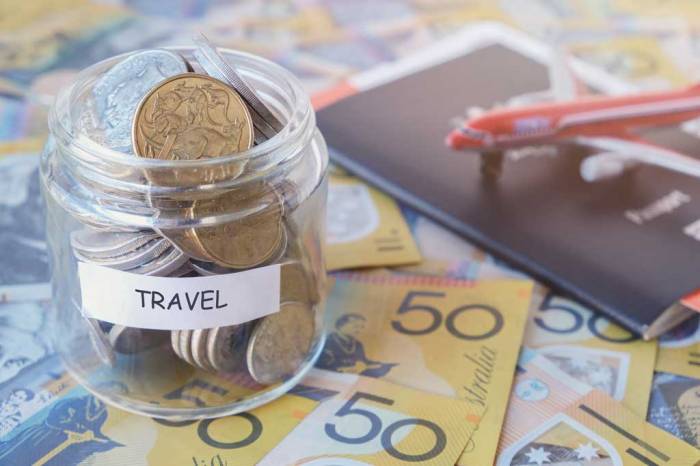
Travel essentials for backpackers in Europe: A Guide to Must-Have Items and Tips for a Memorable Trip

Travel essentials for backpackers in Europe

Travel Essentials for Backpackers in Europe

Travel essentials for backpackers in Europe – Traveling through Europe as a backpacker requires careful planning and packing of essential items to ensure a smooth and enjoyable journey. Here are some key items to consider:

Sturdy Backpack

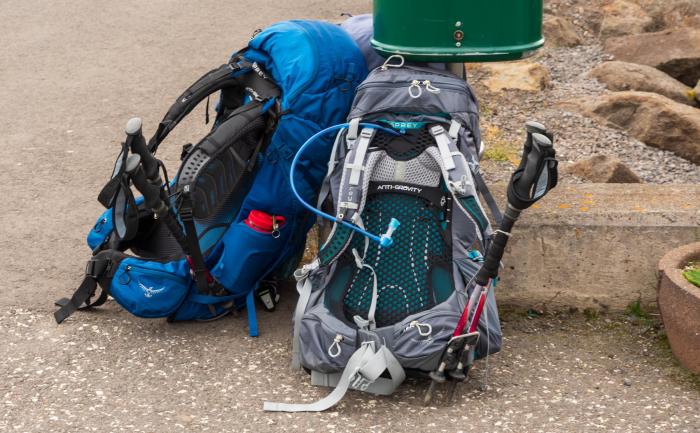
A reliable backpack is essential for carrying all your belongings comfortably during your travels. Look for one with adjustable straps and ample compartments to keep your items organized.

Comfortable Walking Shoes

Exploring European cities often involves a lot of walking, so be sure to pack a pair of comfortable and durable walking shoes to keep your feet happy throughout your journey.

Travel Documents

Don’t forget to bring your passport, visas (if required), travel itinerary, and any other necessary documents in a secure and accessible location.

Universal Adapter

European countries often have different plug types, so a universal adapter will ensure you can charge your electronic devices wherever you go without any hassle.

Quick-Dry Towel

A lightweight and quick-dry towel is essential for backpackers, especially when staying in hostels or on-the-go. It will come in handy after showers or impromptu beach visits.

Portable Charger

To keep your devices charged on-the-go, a portable charger is a must-have. This will ensure that you never run out of battery while navigating through unfamiliar cities.Remember to pack light and versatile clothing to be prepared for varying European climates.

Layering is key, as temperatures can change quickly throughout the day. Additionally, selecting a reliable travel insurance plan is crucial to protect yourself in case of emergencies during your backpacking trip.

Travel Tips for Backpackers in Europe: Travel Essentials For Backpackers In Europe

Travel essentials for backpackers in Europe

When backpacking through Europe, it’s essential to keep a few key tips in mind to make the most of your journey while staying safe and within budget.Learning basic local phrases and cultural norms can greatly enhance your travel experience in European countries.

It shows respect for the locals and can help you navigate daily interactions more smoothly. Understanding simple phrases for greetings, ordering food, and asking for directions can go a long way in connecting with the local culture.Budgeting and saving money is crucial for backpackers in Europe.

Consider staying in hostels, cooking your meals, and opting for public transportation or walking instead of expensive taxis. Look for free walking tours, visit local markets for affordable souvenirs, and take advantage of student discounts whenever possible.For solo backpackers, safety should be a top priority when exploring unfamiliar European cities.

Always keep your belongings secure, be cautious in crowded places, and trust your instincts if something feels off. Share your itinerary with someone trustworthy, stay connected with family or friends, and research safe areas to stay in each city you visit.

Significance of Learning Basic Local Phrases and Cultural Norms

When backpacking in Europe, understanding basic local phrases and cultural norms can help you communicate effectively, show respect for the local culture, and navigate daily interactions with ease. It can also enhance your overall travel experience by allowing you to connect more deeply with the places you visit.

Budgeting and Saving Money

To make the most of your backpacking trip in Europe, it’s important to budget wisely and look for ways to save money. Consider staying in budget accommodations, cooking your meals, and taking advantage of free or low-cost activities. By being mindful of your expenses, you can stretch your travel budget further and enjoy more experiences along the way.

Safety Tips for Solo Backpackers

For solo backpackers exploring unfamiliar European cities, prioritizing safety is key. Stay alert, trust your instincts, and avoid risky situations. Research the safety reputation of the places you plan to visit, stay in well-reviewed accommodations, and keep important documents and valuables secure at all times.

Travel Itinerary Suggestions for European Backpacking Trips

Planning a backpacking trip to Europe can be an exciting adventure filled with diverse cultures, stunning landscapes, and rich history. To make the most of your journey, consider the following sample itinerary covering popular destinations like Paris, Rome, Barcelona, and Prague.

Exploring Popular Destinations

When visiting iconic cities like Paris, Rome, Barcelona, and Prague, it’s essential to balance must-see attractions with off-the-beaten-path experiences. While landmarks such as the Eiffel Tower, Colosseum, Sagrada Familia, and Charles Bridge are must-visits, don’t forget to explore hidden gems and local neighborhoods to truly immerse yourself in the culture.

Incorporating Unique Cultural Experiences, Travel essentials for backpackers in Europe

To enhance your backpacking itinerary, consider ways to incorporate unique cultural experiences. Attend local festivals, try traditional foods, visit markets, and engage with locals to gain a deeper understanding of each destination. Whether it’s learning to make pasta in Rome or joining a flamenco dance class in Barcelona, these experiences will enrich your journey and create lasting memories.

Beach Resorts in Europe for Backpackers

When it comes to beach destinations in Europe, there are plenty of options that cater to budget-conscious backpackers. From stunning coastlines to vibrant beach towns, Europe offers a diverse range of beach resorts that are perfect for those looking to relax by the sea without breaking the bank.

Top Beach Destinations in Europe

  • Algarve, Portugal: Known for its golden beaches and dramatic cliffs, the Algarve region offers affordable accommodation options and a laid-back atmosphere perfect for backpackers.
  • Costa Brava, Spain: With charming fishing villages, crystal-clear waters, and budget-friendly beach resorts, Costa Brava is a popular choice for backpackers seeking a mix of relaxation and adventure.
  • Crete, Greece: The largest Greek island, Crete boasts beautiful beaches, historic sites, and affordable guesthouses that make it an ideal destination for budget travelers.

Amenities and Activities at Mediterranean Beach Resorts

  • Water sports: Many beach resorts along the Mediterranean coast offer activities such as snorkeling, scuba diving, and windsurfing for backpackers looking to add some excitement to their beach vacation.
  • Beach bars and nightlife: Backpackers can enjoy a vibrant nightlife scene at beach resorts with beach bars, clubs, and live music events, providing a perfect mix of relaxation and entertainment.
  • Local cuisine: Sample fresh seafood and traditional Mediterranean dishes at beachfront restaurants and cafes, immersing yourself in the local culture and flavors of the region.

Tips for Booking Affordable Accommodation near Europe’s Best Beaches

  • Book in advance: Secure budget-friendly accommodation by booking early, especially during peak travel seasons when prices tend to rise.
  • Consider hostels or guesthouses: Opt for shared dormitories or private rooms in hostels or guesthouses near the beach to save on accommodation costs while still enjoying proximity to the sea.
  • Explore off-the-beaten-path destinations: Venture beyond popular tourist spots to discover hidden gems with affordable beach resorts that offer a more authentic and tranquil experience.

Cultural Tours for Backpackers in Europe

Exploring the rich cultural heritage of Europe is a must for backpackers looking to truly immerse themselves in the local experience. Cultural tours offer a unique opportunity to learn about the traditions, history, and way of life of different European regions.

Food Tasting Walks

Food tasting walks are a popular cultural tour option for backpackers in Europe. These tours allow participants to sample local delicacies and traditional dishes while learning about the culinary traditions of the region. From cheese and wine tastings in France to tapas tours in Spain, food tasting walks offer a delicious way to experience European culture.

Art History Tours

For art enthusiasts, art history tours provide a deep dive into the rich artistic heritage of Europe. Explore famous museums, galleries, and architectural landmarks while learning about the masterpieces created by renowned artists such as Leonardo da Vinci, Michelangelo, and Vincent van Gogh.

Folklore Excursions

Folklore excursions offer a glimpse into the myths, legends, and traditions that have shaped European culture over the centuries. From fairy tales in Germany to folklore festivals in Ireland, these tours provide a fascinating look at the cultural heritage of different European countries.

Remember to respect local customs and traditions when participating in cultural tours. Be mindful of cultural sensitivities, dress modestly when visiting religious sites, and always follow the guidance of your tour guide to ensure a respectful and enriching experience.

Cruise Vacations for Backpackers Exploring Europe

When it comes to backpacking across Europe, incorporating a cruise into your itinerary can offer a unique and relaxing way to explore the continent’s coastal regions and islands. While backpacking usually involves budget-friendly options and a focus on land-based travel, a cruise can provide a different perspective and allow backpackers to visit multiple destinations without the hassle of constantly packing and unpacking.

Pros and Cons of Incorporating a Cruise into a Backpacking Trip

  • Pros:
    • Opportunity to visit multiple destinations in a short period of time.
    • All-inclusive amenities such as meals, entertainment, and accommodation.
    • Relaxing and scenic way to travel, offering stunning views of the coastline.
  • Cons:
    • Can be more expensive than traditional backpacking options.
    • Less flexibility in terms of itinerary and schedule.
    • Limited time in each destination compared to staying on land.

Popular Cruise Routes in Europe and Attractions

Cruise Route Main Attractions
Mediterranean Cruise Visits ports in Italy, Greece, Spain, and France, with stops in iconic cities like Rome, Athens, Barcelona, and Marseille.
Baltic Sea Cruise Explores cities around the Baltic Sea such as Copenhagen, St. Petersburg, Stockholm, and Helsinki, offering a mix of history and culture.
Norwegian Fjords Cruise Sails through the stunning Norwegian fjords, showcasing breathtaking landscapes and charming coastal towns like Bergen and Geiranger.

Budget-Friendly Options for Backpackers Interested in Cruise Vacations in Europe

  • Look for last-minute deals or off-peak season cruises to save on costs.
  • Consider shorter cruise itineraries or repositioning cruises for more affordable options.
  • Opt for interior cabins or shared accommodations to lower expenses.

Backpacking Trips: Best Routes and Destinations in Europe

When it comes to backpacking in Europe, there are several iconic routes and destinations that offer unique experiences for adventurous travelers. From the historic Camino de Santiago to the scenic Alpine Pass Route, each journey presents its own set of challenges and rewards.

Camino de Santiago

The Camino de Santiago, also known as the Way of St. James, is a pilgrimage route in Spain that attracts thousands of travelers each year. This ancient trail offers a mix of cultural immersion, stunning landscapes, and spiritual reflection. Backpackers can choose from various routes, with the most popular being the Camino Frances.

Along the way, hikers can stay in pilgrim hostels, known as albergues, or opt for budget-friendly accommodations in charming villages.

Balkan Trail

For those seeking off-the-beaten-path adventures, the Balkan Trail is a fantastic option. This route takes backpackers through the rugged landscapes of the Balkan Peninsula, passing through countries like Albania, Montenegro, and Macedonia. Travelers can expect to encounter diverse cultures, picturesque villages, and challenging terrains.

Transportation options may include local buses, trains, or shared taxis, providing an authentic and budget-friendly way to explore this region.

Alpine Pass Route

The Alpine Pass Route offers breathtaking views of the Swiss Alps, making it a must-visit for nature enthusiasts. This challenging trek takes backpackers through alpine meadows, snow-capped peaks, and picturesque valleys. Hikers can choose from various stages based on their fitness level and experience, with mountain huts and campgrounds available for overnight stays.

It’s essential to be well-prepared with proper gear and navigation tools for this high-altitude adventure.

City Breaks Essentials for Backpackers in Europe

When embarking on short city breaks in European capitals like London, Berlin, and Amsterdam, it’s crucial to pack efficiently, navigate public transportation seamlessly, find budget-friendly dining options, and uncover hidden gems to make the most of your limited time.

Essential Items to Pack

  • Comfortable walking shoes for exploring the city on foot
  • Portable phone charger to stay connected on the go
  • Lightweight daypack for carrying essentials during city tours
  • Travel-sized toiletries for freshening up during the day
  • Reusable water bottle to stay hydrated while sightseeing

Navigating Public Transportation

  • Research and download city-specific public transportation apps for easy route planning
  • Invest in a multi-day transport pass for cost-effective travel within the city
  • Ask locals or hostel staff for tips on the most efficient public transport routes

Finding Affordable Eateries

  • Explore local markets and food stalls for budget-friendly meal options
  • Opt for lunch specials or set menus at restaurants for more affordable dining
  • Check out student-friendly cafes or food trucks for tasty yet inexpensive meals

Discovering Hidden Gems

  • Wander off the beaten path to explore lesser-known neighborhoods and attractions
  • Join free walking tours to uncover hidden gems and local insights
  • Visit local libraries, parks, or markets to experience the city like a true local

Importance of Planning City Breaks

  • Plan an itinerary with must-see attractions to maximize your time in the city
  • Book tickets for popular attractions in advance to avoid long queues
  • Allocate time for spontaneous exploration and relaxation to balance your itinerary

Travel Blogs

Travel blogs are a great source of inspiration, information, and tips for backpackers looking to explore Europe. These blogs often share personal experiences, recommendations, and insights that can help travelers plan their own adventures in Europe.

Popular Travel Blogs Focusing on Backpacking Adventures in Europe

  • Adventurous Kate: This blog follows the adventures of Kate McCulley as she travels around Europe, sharing tips on budget travel, solo backpacking, and off-the-beaten-path destinations.
  • Nomadic Matt: Matt Kepnes’ blog is a treasure trove of resources for backpackers, offering advice on budgeting, accommodation, and transportation in Europe.
  • The Blonde Abroad: Kiersten Rich’s blog focuses on female solo travel in Europe, with detailed guides on safety, packing tips, and cultural experiences.

Role of Travel Blogs in Providing Inspiration and Tips for Backpackers

Travel blogs play a crucial role in inspiring backpackers to explore Europe by showcasing the beauty and diversity of the continent. Through stunning photos, engaging stories, and practical advice, these blogs help travelers plan their trip, discover hidden gems, and navigate the challenges of backpacking.

Personal Anecdotes from Travel Bloggers

  • “I remember hiking through the Swiss Alps and being in awe of the breathtaking landscapes. It was a challenging but rewarding experience that I wouldn’t have discovered without the recommendations from fellow travel bloggers.”- AdventureJunkies

  • “Getting lost in the streets of Barcelona led me to stumble upon a charming local market with the most delicious tapas. Sometimes, the unplanned moments make for the best memories.”- WanderlustNomad

Travel Photography Tips for Backpackers in Europe

Capturing stunning travel photos in European destinations is a great way to preserve memories and showcase the beauty of your journey. As a backpacker, it’s essential to pack light while still having the right camera gear to document your adventures.

Here are some tips to help you enhance your travel photography skills while backpacking through Europe.

Best Camera Gear for Backpackers

  • Consider investing in a mirrorless camera or a high-quality compact camera for better image quality without the bulk of a DSLR.
  • Bring a versatile lens, such as a wide-angle lens for landscapes and architecture, and a prime lens for portraits and details.
  • A lightweight tripod can be handy for stabilizing shots in low light conditions or capturing long exposure images.
  • Don’t forget extra memory cards and batteries to ensure you never miss a shot due to lack of storage or power.

Tips for Stunning Travel Photos

  • Focus on composition by using the rule of thirds, leading lines, and framing to create visually appealing images.
  • Utilize natural light to your advantage, such as during the golden hour for warm, soft lighting, or in overcast conditions for even lighting.
  • Experiment with different angles and perspectives to capture unique shots that stand out from typical tourist photos.
  • Take time to edit your photos using software like Lightroom or Photoshop to enhance colors, contrast, and sharpness for professional-looking results.

Popular Questions

What are some essential items for backpacking in Europe?

Essential items include a sturdy backpack, comfortable walking shoes, travel documents, universal adapter, quick-dry towel, and portable charger.

Why is it important to pack light and versatile clothing for backpacking in Europe?

Packing light and versatile clothing allows you to adapt to varying European climates and ensures ease of movement during your travels.

How can I select a reliable travel insurance plan for my backpacking trip?

When choosing a travel insurance plan, consider coverage for medical emergencies, trip cancellations, and theft protection to ensure a secure journey.

Travel tips for saving money on accommodation: Budget-friendly strategies for your next trip

Travel tips for saving money on accommodation

Travel Tips

Travel tips for saving money on accommodation

Travel tips for saving money on accommodation – When it comes to saving money on accommodation while traveling, there are several practical strategies you can implement to stretch your budget further. By being strategic and flexible in your approach, you can find budget-friendly options without compromising on comfort or safety.

Booking in Advance

Booking accommodation in advance is generally a good strategy for securing better deals and ensuring availability, especially during peak travel seasons. By planning ahead, you can take advantage of early booking discounts and have more options to choose from. Additionally, booking in advance allows you to compare prices and read reviews to make an informed decision.

Last-Minute Deals

While booking in advance is advisable, sometimes last-minute deals can also offer significant savings. If you’re flexible with your travel dates and destination, you can keep an eye out for last-minute discounts or promotions. Websites and apps dedicated to last-minute deals can help you snag a bargain, but keep in mind that availability may be limited.

Budget-Friendly Accommodation Options

When looking for budget-friendly accommodation options, consider alternatives to traditional hotels. Hostels, guesthouses, homestays, and vacation rentals can often be more affordable and provide a unique local experience. Camping or staying in dormitories can also be cost-effective options for budget travelers.

Utilize Rewards Programs

If you frequently travel, consider joining loyalty programs or using travel rewards credit cards to earn points or discounts on accommodation. Accumulating points through hotel stays, flights, or other purchases can lead to free nights or upgrades, helping you save money in the long run.

Be Flexible with Locations, Travel tips for saving money on accommodation

Being flexible with your accommodation location can also lead to cost savings. Staying slightly outside the city center or in less touristy areas can often result in lower prices. Public transportation or ridesharing services can help you easily access the main attractions while staying in a more affordable neighborhood.

Consider Shared Accommodation

Opting for shared accommodation, such as renting a room in someone’s home or using couchsurfing platforms, can significantly reduce your accommodation costs. Not only will you save money, but you may also have the opportunity to connect with locals and gain insider tips on the destination.

Travel Itinerary: Travel Tips For Saving Money On Accommodation

Planning a flexible travel itinerary can play a significant role in saving money on accommodation costs. By being open to adjusting your travel dates and destinations, you can take advantage of lower prices and deals that may be available during off-peak times.

Choosing Off-Peak Travel Seasons

When selecting your travel dates, consider opting for off-peak seasons. During these times, accommodation rates are typically lower due to decreased demand. This can result in significant savings on your overall travel expenses. Additionally, attractions and popular sites may be less crowded, allowing for a more enjoyable and relaxed experience.

Benefits of Staying in One Location for an Extended Period

Staying in one location for an extended period can also help you save on accommodation costs. Many accommodations offer discounts for longer stays, making it more cost-effective to book a week or more at a time. Additionally, by staying in one place longer, you may be able to negotiate better rates with the property owner or manager.

This can lead to substantial savings over the course of your trip.

Beach Resorts

When it comes to finding affordable beach resort accommodation, there are several strategies you can use to save money and still enjoy a fantastic vacation by the sea. Whether you are looking for an all-inclusive experience or prefer a pay-as-you-go option, there are ways to make your beach resort stay budget-friendly.

Additionally, considering alternative beach accommodation options like hostels or guesthouses can also help you cut costs without sacrificing comfort.

Strategies for Finding Affordable Beach Resort Accommodation

  • Check for off-peak season deals: Many beach resorts offer discounts during the off-peak season when demand is lower.
  • Look for package deals: Some resorts offer packages that include accommodation, meals, and activities at a discounted rate.
  • Consider booking directly: Booking directly with the resort can sometimes result in better rates compared to third-party booking sites.
  • Opt for a room without an ocean view: Rooms with an ocean view tend to be more expensive, so choosing a room without this view can help save money.

All-Inclusive vs. Pay-As-You-Go Options

  • All-Inclusive: While all-inclusive resorts may seem pricey upfront, they can actually save you money in the long run as meals, drinks, and activities are included in the price.
  • Pay-As-You-Go: Opting for pay-as-you-go options allows you to have more control over your expenses and only pay for what you use. This can be a budget-friendly choice for those who prefer flexibility.

Alternative Beach Accommodation Options

  • Hostels: Hostels near the beach can offer affordable accommodation options for budget-conscious travelers. While they may not have the same amenities as a resort, they provide a comfortable place to stay without breaking the bank.
  • Guesthouses: Guesthouses are another cost-effective option for beach accommodation, offering a more personalized experience compared to larger resorts. They are often run by locals and provide a unique and authentic stay by the beach.

Cultural Tours

Immersing yourself in local culture can not only enhance your travel experience but also lead to unique and cost-effective accommodation choices. By staying with locals or near cultural attractions, you can save money while gaining a deeper understanding of the destination.

Leveraging Homestays or Cultural Exchange Programs

One way to save money on accommodation during cultural tours is by leveraging homestays or cultural exchange programs. These options not only provide affordable lodging but also allow you to interact with locals, learn about their traditions, and immerse yourself in the local way of life.

  • Research different homestay options in your destination and choose one that aligns with your budget and preferences.
  • Consider joining cultural exchange programs that offer accommodation in exchange for cultural exchange activities or services.
  • Connect with local communities through online platforms or networking events to find unique and affordable accommodation options.

Booking Accommodation Near Cultural Attractions

Another way to save money on accommodation during cultural tours is by booking lodging near cultural attractions. This not only saves you time and money on transportation but also allows you to fully immerse yourself in the local culture and explore the destination at your own pace.

  • Look for hotels, hostels, or guesthouses located near cultural sites or landmarks to make the most of your cultural experience.
  • Consider staying in traditional accommodations such as ryokans in Japan or riads in Morocco for an authentic cultural experience.
  • Book accommodation in neighborhoods known for their cultural significance, such as arts districts or historic quarters, to immerse yourself in the local culture.

Cruise Vacations

Cruise vacations can be a luxurious and exciting way to travel, but they can also come with a hefty price tag. Here are some tips to help you save money on cruise ship accommodations.When it comes to booking a cruise, there are a few strategies you can use to get the best deal.

One option is to look for last-minute deals, as cruise lines often offer discounted rates to fill up remaining cabins. Another alternative is to consider repositioning cruises, which are one-way trips that cruise lines offer when relocating ships to different regions.

These cruises can be more affordable than traditional itineraries and provide a unique travel experience.

Saving Money on Cruise Ship Accommodations

  • Book last-minute deals: Keep an eye out for discounted rates on cruises that are departing soon.
  • Consider repositioning cruises: Take advantage of one-way trips that offer lower prices compared to regular itineraries.
  • Avoid extra charges: Be mindful of additional fees for onboard activities, dining options, and excursions. Plan ahead to budget for these expenses.
  • Choose an interior cabin: While it may lack a view, opting for an interior cabin can be more budget-friendly than a balcony or suite.
  • Look for package deals: Some cruise lines offer all-inclusive packages that can help you save money on amenities and services.

Backpacking Trips

When embarking on backpacking trips, finding budget-friendly accommodations is key to saving money and extending your travel adventures. Here are some tips to help you make the most of your backpacking experience without breaking the bank.

Finding Budget-Friendly Hostels or Backpacker Accommodations

  • Research online platforms such as Hostelworld, Booking.com, or Airbnb for affordable hostel options in your destination.
  • Consider staying in dormitory-style rooms or opting for shared accommodations to reduce costs.
  • Look for hostels with communal kitchens where you can prepare your meals to save on dining expenses.

Benefits of Joining Loyalty Programs for Backpacker Accommodations

  • Many hostel chains offer loyalty programs that reward frequent guests with discounts, free nights, or exclusive perks.
  • Signing up for these programs can help you save money in the long run, especially if you are a frequent backpacker.
  • Take advantage of loyalty points and rewards to offset accommodation costs and enhance your travel experience.

Safety Considerations When Choosing Budget Accommodations

  • Prioritize hostels with good reviews and ratings to ensure a safe and comfortable stay.
  • Check the security measures in place, such as lockers, CCTV cameras, or 24-hour reception, to safeguard your belongings.
  • Avoid walking alone at night in unfamiliar areas and always trust your instincts when selecting budget accommodations.

City Breaks

When planning a city break, saving on accommodation costs can help stretch your travel budget further. Here are some strategies to consider:

Using City Passes or Tourist Cards

  • City passes or tourist cards often include discounts on accommodations as well as attractions and transportation.
  • Look for city passes that offer special deals on hotels or hostels to save on your stay.
  • Compare different city pass options to find the best value for your accommodation needs.

Booking Accommodations Away from Popular Tourist Areas

  • Accommodations located in popular tourist areas tend to be more expensive.
  • Consider staying in neighborhoods outside the city center to find more affordable options.
  • Research public transportation options to easily access the main attractions while staying in a budget-friendly area.

Travel Blogs

Reading travel blogs can be a valuable resource when looking for insider tips on affordable accommodations. These blogs often provide first-hand experiences and recommendations that can help travelers save money while still enjoying a comfortable stay.

Recommended Travel Blogs for Budget-Friendly Stays

  • The Poor Traveler: This blog focuses on budget travel tips and features affordable accommodation options in various destinations.
  • Nomadic Matt: Known for his budget travel advice, Nomadic Matt’s blog offers insights on finding cheap stays around the world.
  • Hostelworld Blog: Hostelworld’s blog not only covers hostel reviews but also includes budget-friendly hotel and guesthouse recommendations.

Importance of Reviews and Testimonials

When reading travel blogs for accommodation recommendations, it’s crucial to pay attention to reviews and testimonials from travel bloggers. These firsthand accounts can give insight into the quality, value, and overall experience of staying at a particular place. By considering the opinions of experienced travelers, you can make informed decisions and find the best budget-friendly stays for your trips.

Travel Essentials

When it comes to saving money on accommodation during your travels, having the right essentials packed can make a big difference. Here are some essential items to consider packing:

Portable Charger

Carrying a portable charger is crucial when trying to save money on last-minute accommodations. When you’re out exploring and need to book a place to stay on short notice, having a fully charged phone can help you quickly search for and secure the best deals available.

Travel Apps

Utilizing travel apps can be a game-changer when it comes to finding discounted accommodation deals. Apps like Airbnb, Booking.com, and HotelTonight offer exclusive discounts and deals that you may not find elsewhere. By using these apps, you can compare prices, read reviews, and book accommodations at the best possible rates, helping you save money throughout your trip.

Travel Photography

Travel photography plays a crucial role in helping travelers choose the right accommodation for their stay. By capturing details of the rooms, amenities, and overall ambiance, travelers can get a better sense of what to expect before booking.

Capturing Accommodation Details

  • Take photos of the room from different angles to showcase the size and layout.
  • Capture the view from the window or balcony to give an idea of the surroundings.
  • Highlight unique features such as a cozy reading nook or a luxurious bathtub.
  • Include shots of common areas like the lobby, pool, or restaurant to provide a comprehensive view of the property.

Negotiating Discounts for Photography Services

  • Offer to provide high-quality images to the accommodation provider in exchange for a discounted rate or complimentary upgrade.
  • Show examples of your photography portfolio to demonstrate your skills and professionalism.
  • Agree on the number of photos required and the rights to use them for marketing purposes.
  • Ensure to discuss any additional editing or printing costs upfront to avoid misunderstandings.

Etiquette for Photographing Accommodations

  • Always ask for permission before taking photos, especially in private or restricted areas.
  • Be mindful of other guests and staff members while capturing images to avoid disrupting their experience.
  • Avoid using flash in dimly lit areas to maintain the ambiance and respect the privacy of other guests.
  • Respect the property’s guidelines on photography and refrain from taking pictures of sensitive areas without permission.

Questions Often Asked

How far in advance should I book to get the best accommodation deals?

It’s recommended to book accommodation at least a few months in advance to secure better rates and availability, especially during peak travel seasons.

Are loyalty programs for backpacker accommodations worth it?

Yes, joining loyalty programs can often lead to discounts, free nights, or other perks that can significantly reduce your accommodation costs over time.

What are some alternative options to beach resorts for affordable stays?

Consider looking into hostels, guesthouses, or even rental apartments near the beach for more budget-friendly accommodation choices.

Top travel tips for seniors visiting Europe – Essential advice for a memorable trip

Top travel tips for seniors visiting Europe

Travel Tips

Top travel tips for seniors visiting Europe – When it comes to seniors visiting Europe, it’s important to keep a few key travel tips in mind to ensure a smooth and enjoyable trip. From packing essentials to safety precautions, here are some valuable tips to consider:

Essential Travel Tips

  • Pack light and bring comfortable walking shoes to navigate through cobblestone streets and museums with ease.
  • Carry a copy of your passport, travel insurance details, and emergency contacts in case of any unforeseen circumstances.
  • Research and plan your itinerary in advance to make the most of your trip and avoid any last-minute stress.
  • Stay hydrated, especially during long flights or train rides, and take breaks to rest and recharge when needed.
  • Be mindful of local customs and etiquette to respect the culture and traditions of the countries you are visiting.

Safety Tips for Seniors Traveling in Europe

  • Keep your belongings secure by using a money belt or anti-theft bags to prevent pickpocketing incidents.
  • Avoid carrying large amounts of cash and use credit cards or travel cards for transactions whenever possible.
  • Stay vigilant in crowded tourist areas and be cautious of strangers approaching you with offers or assistance.
  • Research the local emergency numbers and familiarize yourself with the nearest hospitals or healthcare facilities in case of any medical emergencies.
  • Inform a family member or friend about your travel plans and stay connected with them throughout your trip for added safety.

Planning a Comfortable and Enjoyable Trip for Seniors

  • Choose accommodations with easy accessibility and amenities that cater to senior travelers, such as elevators, handrails, and wheelchair access.
  • Consider guided tours or private transportation options to explore popular attractions without the hassle of navigating public transportation.
  • Take advantage of senior discounts available for museums, attractions, and transportation services to save money during your trip.
  • Allow for flexibility in your itinerary to accommodate rest days or slower-paced activities to prevent fatigue and enjoy your travel experience to the fullest.
  • Engage with locals, try traditional cuisine, and immerse yourself in the culture to create lasting memories and enrich your travel experience in Europe.

Travel Itinerary

When planning a travel itinerary for seniors visiting Europe, it is crucial to consider their unique needs and preferences. A well-rounded itinerary should include a mix of cultural experiences, leisure activities, and relaxation time to ensure a comfortable and enjoyable trip.

Examples of Well-Rounded Itineraries for Seniors in Europe

  • Day 1-3: Explore the historic landmarks and museums in Rome, Italy
  • Day 4-6: Take a scenic train ride through the Swiss Alps and enjoy the picturesque views
  • Day 7-9: Relax on the beaches of the Algarve region in Portugal
  • Day 10-12: Discover the charming villages and vineyards of Provence, France

Creating a Flexible Itinerary for Seniors

When planning a trip for seniors, it is essential to create a flexible itinerary that allows for adjustments based on their energy levels and interests. Consider adding extra rest days between activities to prevent exhaustion and ensure a more enjoyable experience.

The Importance of Including Rest Days

Rest days are crucial for seniors to recharge and relax during their travels. Including rest days in the itinerary allows them to take a break from sightseeing and activities, reducing the risk of fatigue and ensuring they can fully enjoy the rest of their trip.

Beach Resorts

When it comes to seniors visiting Europe, beach resorts can offer a relaxing and enjoyable accommodation option. Here are some top beach resorts in Europe suitable for seniors, along with amenities and services to look for in these resorts.

Top Beach Resorts for Seniors

  • Costa Navarino, Greece: This luxurious resort offers stunning views of the Ionian Sea and has a range of activities catered towards seniors, such as golf courses and spa treatments.
  • Vila Vita Parc, Portugal: Located on the Algarve coast, this resort provides a peaceful and scenic retreat with access to beautiful beaches and top-notch dining options.
  • Hotel du Cap-Eden-Roc, France: Situated on the French Riviera, this iconic resort boasts elegant rooms, lush gardens, and a private beach for a truly luxurious experience.

Amenities and Services for Seniors, Top travel tips for seniors visiting Europe

  • Accessible Accommodation: Look for resorts with rooms or villas that are easily accessible for seniors with mobility issues.
  • Medical Assistance: It’s important to choose a resort that has medical services on-site or nearby in case of emergencies.
  • Leisure Activities: Opt for resorts that offer leisurely activities such as gentle yoga classes, nature walks, or art workshops tailored for seniors.

Benefits of Choosing Beach Resorts

  • Tranquility: Beach resorts provide a peaceful and serene environment, perfect for seniors looking to unwind and relax.
  • Scenic Views: Enjoy beautiful ocean views and picturesque sunsets right from the comfort of your resort accommodation.
  • Wellness Focus: Many beach resorts offer spa facilities, healthy dining options, and wellness activities to promote overall well-being during your stay.

Cultural Tours

Top travel tips for seniors visiting Europe

When traveling to Europe, seniors can enhance their experience by taking part in cultural tours that offer insight into the rich history and traditions of the region. These tours provide an opportunity to explore famous landmarks, museums, and historical sites while learning about the local customs and way of life.

Recommended Senior-Friendly Cultural Tours

  • Guided Walking Tours: Opt for leisurely-paced walking tours that cater to seniors and provide ample time for rest breaks.
  • Audio Tours: Consider audio-guided tours at museums and historical sites for a more flexible and personalized experience.
  • City Sightseeing Tours: Join hop-on-hop-off bus tours to explore major cities at a comfortable pace and with informative commentary.

Pacing Cultural Tours for Seniors

  • Allow Ample Rest Time: Schedule breaks in between tour activities to prevent exhaustion and ensure seniors can enjoy the experience fully.
  • Choose Small Group Tours: Opt for small group tours to receive personalized attention and cater to individual preferences and mobility needs.
  • Flexible Itineraries: Select tours with flexible itineraries that allow for adjustments based on the group’s pace and interests.

Significance of Cultural Immersion for Seniors

Cultural immersion during travel provides seniors with a deeper understanding of the destinations they visit, fostering a sense of appreciation and connection to the local culture. By engaging in cultural tours, seniors can broaden their horizons, gain new perspectives, and create lasting memories of their European adventures.

Cruise Vacations: Top Travel Tips For Seniors Visiting Europe

When it comes to seniors exploring Europe, cruise vacations can be an ideal option for a hassle-free and enjoyable travel experience. Cruises offer the convenience of unpacking only once while visiting multiple destinations, providing a comfortable and relaxing way to see the sights.

Types of Cruises for Seniors in Europe

  • River Cruises: Perfect for seniors who prefer a more intimate and serene experience, river cruises allow travelers to explore picturesque European towns and cities along the waterways.
  • Ocean Cruises: Larger ships with a variety of onboard amenities, ocean cruises are great for seniors looking for a mix of relaxation and entertainment while visiting popular coastal destinations.
  • Expedition Cruises: For adventurous seniors, expedition cruises offer unique experiences to explore remote areas and wildlife-rich regions in Europe.

Tips for Making the Most of a Cruise Vacation as a Senior Traveler

  • Choose the Right Cruise: Research different cruise lines and itineraries to find one that suits your interests and preferences.
  • Pack Smart: Bring comfortable clothing, walking shoes, necessary medications, and any mobility aids you may need.
  • Stay Active: Take advantage of onboard activities like fitness classes, walking tours, and shore excursions to stay active and engaged.
  • Relax and Enjoy: Don’t forget to unwind and enjoy the amenities on board, from spa treatments to gourmet dining experiences.
  • Stay Connected: Keep in touch with loved ones back home using onboard Wi-Fi or internet cafes, and share your adventures with them.

Backpacking Trips

Backpacking trips can be a great way for seniors to explore Europe on a budget while enjoying the freedom of traveling at their own pace. While it may seem daunting at first, with the right preparation and mindset, seniors can embark on memorable backpacking adventures in Europe.

Feasibility of Backpacking Trips for Seniors

  • Consider the physical fitness level: Seniors should assess their physical capabilities and choose backpacking routes that are suitable for their fitness level.
  • Pack light: Opt for lightweight and compact gear to reduce the strain on the body while hiking or walking long distances.
  • Plan rest days: It’s essential for seniors to schedule rest days in between hiking or exploring to avoid exhaustion and ensure a comfortable journey.

Preparing for Backpacking Adventures

  • Stay hydrated: Seniors should carry a reusable water bottle and stay hydrated throughout their backpacking trip to maintain energy levels.
  • Research accommodations: Look for senior-friendly hostels or guesthouses that offer comfortable amenities and a relaxing environment for a good night’s rest.
  • Stay connected: Ensure you have a reliable means of communication, such as a mobile phone or portable Wi-Fi device, to stay in touch with loved ones or in case of emergencies.

Success Stories of Seniors Backpacking in Europe

“I never thought I could go backpacking in Europe at my age, but with careful planning and pacing myself, I was able to explore beautiful destinations and create unforgettable memories.”

Susan, 68

“Backpacking through Europe was a dream come true for me. It allowed me to connect with nature, meet new people, and challenge myself in ways I never imagined.”

John, 72

City Breaks

When it comes to senior-friendly travel in Europe, city breaks can be a fantastic option for those looking to explore various destinations in a short amount of time. Unlike longer stays, city breaks offer the opportunity to experience the highlights of a city without feeling overwhelmed by a lengthy itinerary.

Recommended Senior-Friendly Cities

  • Paris, France: Known for its iconic landmarks, charming cafes, and world-class museums, Paris offers a mix of history, culture, and culinary delights.
  • Barcelona, Spain: With its beautiful architecture, vibrant street life, and stunning beaches, Barcelona is a great choice for seniors looking to explore a lively and diverse city.
  • Vienna, Austria: A city rich in history and music, Vienna offers seniors the chance to visit palaces, enjoy classical concerts, and indulge in delicious pastries.

Advantages of City Breaks

  • Convenience: City breaks allow seniors to easily navigate public transportation systems and cover a lot of ground in a short amount of time.
  • Flexibility: With shorter stays, seniors can tailor their itineraries to focus on specific attractions or activities that interest them the most.
  • Accessibility: Many European cities are equipped with senior-friendly amenities, such as elevator access, accessible transportation, and age-friendly attractions.

Tips for Navigating Cities

  • Plan Ahead: Research major attractions, dining options, and transportation routes to make the most of your time in the city.
  • Use Public Transportation: Opt for buses, trams, or metro systems to easily get around the city and avoid traffic congestion.
  • Take Breaks: Pace yourself and take breaks to rest and recharge throughout the day to avoid fatigue.

Travel Blogs

Travel blogs are a valuable resource for senior travelers looking to explore Europe. These online platforms offer firsthand experiences, tips, and recommendations from seasoned travelers who have visited various destinations across the continent. Reading travel blogs can provide seniors with valuable insights, inspiration, and practical advice for planning their European adventures.

Popular Travel Blogs for Seniors in Europe

  • Senior Nomads: This blog follows a retired couple as they travel through Europe, sharing their experiences, budget-friendly tips, and cultural insights.
  • Silver Travel Advisor: Catering specifically to mature travelers, this blog offers reviews, destination guides, and travel recommendations tailored to seniors.
  • Travel Past 50: With a focus on active and cultural travel, this blog features in-depth guides, packing tips, and personal stories of senior travelers exploring Europe.

Benefits of Reading Travel Blogs for Seniors

  • Access to Authentic Experiences: Travel blogs provide real-life accounts and personal stories, giving seniors a glimpse into what to expect when visiting European destinations.
  • Practical Tips and Recommendations: Senior travelers can benefit from valuable tips on accommodations, transportation, sightseeing, and budgeting shared by experienced bloggers.
  • Inspiration and Motivation: Reading about the adventures of fellow seniors can inspire and motivate older travelers to embark on their own European journeys, instilling a sense of wanderlust and excitement.

Travel Essentials

When traveling to Europe, seniors should ensure they pack the necessary items to have a comfortable and stress-free trip. It is important to consider the specific needs of seniors when preparing for the journey.

Travel insurance is a crucial aspect of trip preparation for senior travelers.

It provides coverage for medical emergencies, trip cancellations, and other unexpected events that may arise during the trip. Seniors should invest in comprehensive travel insurance to ensure they are protected throughout their travels in Europe.

Essential Items to Pack

  • Comfortable walking shoes
  • Multiple layers of clothing for varying weather conditions
  • Medications and a copy of prescriptions
  • Travel adapter and chargers for electronic devices
  • Travel-size toiletries and personal care items

Simplifying Packing for Seniors

Traveling light can make the journey more manageable for seniors. Here are some tips to simplify packing:

  • Choose versatile clothing items that can be mixed and matched
  • Use packing cubes or organizers to keep belongings organized
  • Avoid overpacking by packing only essential items
  • Consider purchasing travel-sized items to save space in luggage

Travel Photography

Traveling is a wonderful opportunity to create lasting memories, and photography is a great way to capture those special moments. For seniors visiting Europe, here are some tips on how to make the most of travel photography.When it comes to capturing memorable moments through photography, seniors should consider the following tips:

Easy-to-Use Cameras for Seniors

  • Look for lightweight and compact cameras that are easy to carry around.
  • Consider cameras with simple settings and user-friendly interfaces.
  • Opt for cameras with image stabilization features to reduce blurriness in photos.
  • Choose cameras with a good zoom range for capturing distant subjects.

Benefits of Documenting Travel Experiences Through Photography

  • Photography allows seniors to preserve and share their travel memories with friends and family.
  • Capturing photos can enhance the overall travel experience by encouraging seniors to be more observant of their surroundings.
  • Photography provides a creative outlet for seniors to express themselves and showcase their unique perspective of the places they visit.
  • Documenting travel experiences through photography creates a visual diary that seniors can look back on and reminisce about their adventures.

Questions Often Asked

What are some common safety tips for seniors traveling in Europe?

Some common safety tips include staying aware of your surroundings, avoiding carrying large amounts of cash, and keeping important documents secure.

How can seniors create a flexible travel itinerary for their trip to Europe?

Seniors can create a flexible itinerary by including rest days, prioritizing must-see destinations, and allowing time for relaxation and exploration.

Why are beach resorts a popular choice for seniors visiting Europe?

Beach resorts offer a relaxing environment, easy access to amenities, and a range of activities suitable for seniors, making them an ideal accommodation choice.