Essential Photography Gear for Travel Bloggers
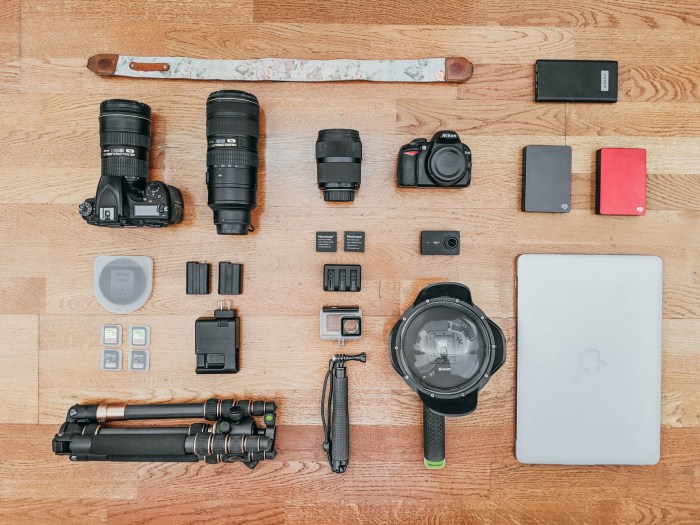
Essential photography gear for travel bloggers – When it comes to travel blogging, having the right photography gear is essential to capture stunning images that will engage your audience. Here, we will discuss the must-have camera equipment for travel photographers, the importance of lightweight and versatile gear, the suitability of different types of cameras for travel, and tips on packing and protecting your gear while on the move.
Must-Have Camera Equipment
- A high-quality camera body: Whether you choose a DSLR, mirrorless, or compact camera, opt for one with good image quality and low-light performance.
- A versatile lens: Invest in a lens that covers a wide range of focal lengths to capture a variety of shots without carrying multiple lenses.
- A sturdy tripod: A lightweight and portable tripod can help you stabilize your shots, especially in low light situations or when shooting long exposures.
- Extra batteries and memory cards: Always carry spare batteries and memory cards to avoid running out of power or storage space while on the go.
Importance of Lightweight and Versatile Gear
Travel bloggers are constantly on the move, so having lightweight and versatile gear is crucial to ensure comfort and convenience while capturing stunning images.
Types of Cameras for Travel
- DSLRs: DSLRs offer great image quality and versatility, but they can be bulky and heavy to carry around during travel.
- Mirrorless: Mirrorless cameras are compact and lightweight, making them ideal for travel photography without sacrificing image quality.
- Compact Cameras: Compact cameras are small and easy to carry, but may have limitations in terms of image quality and manual controls.
Tips for Packing and Protecting Camera Gear
- Use a padded camera bag to protect your gear from bumps and shocks during travel.
- Consider investing in a compact camera cleaning kit to keep your gear in top condition while on the road.
- Use lens filters to protect your lenses from dust, scratches, and other elements while shooting in different environments.
Travel Tips
When it comes to capturing the essence of a destination through photography, there are several tips and techniques that can help elevate your travel photos to the next level. From finding unique perspectives to making the most of natural lighting, here are some essential travel photography tips to keep in mind.
Unique Perspectives and Angles
Finding unique perspectives and angles while photographing popular landmarks can help your photos stand out from the rest. Instead of capturing the typical postcard shot, try exploring different vantage points or shooting from unconventional angles. This can add a fresh and interesting twist to your travel photos, making them more engaging for your audience.
Natural Lighting
Natural lighting plays a crucial role in travel photography, as it can dramatically impact the mood and quality of your photos. When shooting outdoors, try to take advantage of the soft, warm light during the golden hours of sunrise and sunset.
Additionally, consider how the direction of light can enhance the textures and colors of your subject. Experimenting with different lighting conditions can help you create stunning travel photos that truly capture the beauty of the destination.
Post-Processing Software
While capturing great shots in-camera is important, post-processing software can take your travel photos to the next level. Programs like Adobe Lightroom and Photoshop offer a wide range of editing tools that can help enhance colors, contrast, and sharpness, as well as correct any imperfections in your images.
By learning how to use post-processing software effectively, you can elevate your travel photos and create visually stunning images that truly reflect the beauty of your travel experiences.
Travel Itinerary
Planning a photography-focused trip requires a well-thought-out itinerary to ensure you capture the best shots while also experiencing the destination to the fullest.
Sample Itinerary
When designing your itinerary, consider the following recommendations for timing and locations to optimize your photography opportunities:
- Day 1: Arrive at the destination early in the morning to capture the soft morning light. Head to a local market or iconic landmark for some vibrant street photography.
- Day 2: Wake up before sunrise to photograph a famous sunrise spot. Spend the day exploring a nearby nature reserve or historical site for diverse photo opportunities.
- Day 3: Take a midday break to rest and recharge. In the afternoon, visit a local village or participate in a cultural event to capture authentic moments.
- Day 4: Venture out to a lesser-known location for unique shots off the beaten path. Wrap up the trip with a sunset shoot at a picturesque location.
Importance of Balance
While photography is a key focus of your trip, it’s essential to strike a balance between capturing images and immersing yourself in the destination. Take time to interact with locals, try local cuisine, and explore the culture beyond your camera lens.
This will not only enhance your overall travel experience but also provide a deeper context to your photographs.
Research and Planning Tips
Before finalizing your travel itinerary, consider the following tips for researching and planning a photography-focused trip:
- Study the destination’s top photography spots and best times to visit for optimal lighting conditions.
- Check local events or festivals happening during your stay for unique photo opportunities.
- Consider the weather conditions and pack accordingly to ensure you’re prepared for any shooting situation.
- Connect with local photographers or guides who can provide insider tips and access to hidden gems.
Beach Resorts
When visiting beach resorts, having the right photography gear is essential to capture the beauty of the landscapes and activities. Here are some tips and techniques to make the most out of your beach resort photography.
Essential Photography Gear for Beach Resorts
When capturing beach landscapes and activities, it’s important to have the right gear. Here are some essential items to consider bringing along:
- A sturdy DSLR or mirrorless camera with a wide-angle lens for capturing expansive beach views.
- A polarizing filter to reduce glare and enhance colors in the sky and water.
- A waterproof camera or housing for underwater shots if you plan on capturing marine life or water sports.
- A tripod to steady your camera for long exposure shots, especially during sunrise or sunset.
Techniques for Photographing Beach Resorts
To capture stunning beach resort photos, consider these techniques:
- Shoot during golden hour (sunrise or sunset) for warm, soft light that enhances the scenery.
- Experiment with different angles and perspectives to create unique compositions.
- Capture the motion of water sports by using a fast shutter speed or panning technique.
- Use a polarizing filter to reduce reflections and make colors pop in your photos.
Tips for Protecting Camera Equipment at Beach Resorts
Beach environments can be harsh on camera gear, so here are some tips for keeping your equipment safe:
- Avoid changing lenses in sandy areas to prevent dust and debris from getting inside your camera.
- Use a protective camera bag or wrap to shield your gear from sand, saltwater, and humidity.
- Clean your camera and lenses regularly with a soft cloth to remove salt residue and sand particles.
Creating Vibrant Beach Resort Photography
To create vibrant and engaging beach resort photography, consider the following:
- Focus on capturing the colors of the sunset or sunrise to add warmth and mood to your photos.
- Incorporate human elements, such as people enjoying the beach or engaging in water sports, to add a sense of scale and activity to your shots.
- Experiment with long exposure photography to create dreamy, blurred water effects that can add a dynamic element to your images.
Cultural Tours
Exploring local culture and traditions through photography is a powerful way to document and preserve the essence of a destination. By capturing the unique customs, rituals, and daily life of a community, you can create a visual narrative that not only educates but also inspires others to appreciate diversity.
Respectful Photography Tips
- Acknowledge and ask for permission before taking someone’s photo, especially in sensitive or private settings.
- Avoid intrusive or disrespectful behavior, such as invading personal space or taking photos without consent.
- Be mindful of cultural sensitivities, dress codes, and taboos when photographing religious ceremonies or cultural events.
- Consider the impact of your images and how they may perpetuate stereotypes or misrepresent a culture.
Research and Understanding
Before photographing people or cultural subjects, it is essential to research and understand the context and significance behind them. By learning about the history, beliefs, and traditions associated with a particular culture, you can capture images that are not only visually compelling but also culturally sensitive and respectful.
Essential Gear for Low-Light Situations
- Invest in a fast prime lens with a wide aperture (e.g., f/1.8 or lower) for capturing sharp images in dimly lit environments.
- Carry a lightweight tripod or monopod to stabilize your camera in low-light conditions without compromising image quality.
- Use a camera with good low-light performance and minimal noise at high ISO settings to maintain image clarity in museums, temples, or historical sites.
- Pack a portable external flash or LED light for illuminating subjects in dark settings while maintaining a natural look.
Cruise Vacations
Taking photographs during a cruise vacation can be both challenging and rewarding. The constantly changing environment of the open sea offers unique opportunities for capturing stunning landscapes, seascapes, and wildlife. Here are some techniques and tips for making the most out of your photography experience on a cruise.
Techniques for Capturing Unique Perspectives
When photographing from a moving ship, stability is key. Use a tripod or stabilize yourself against a solid surface to avoid camera shake. Experiment with different angles and perspectives to create dynamic compositions. Consider using a telephoto lens to capture distant subjects and a wide-angle lens for expansive views.
Tips for Photographing Landscapes, Seascapes, and Wildlife
- During golden hour (sunrise or sunset), the light is soft and warm, perfect for capturing the beauty of the sea and surrounding landscapes.
- Pay attention to leading lines and symmetry in your compositions to create visually appealing photographs.
- To capture wildlife, such as dolphins or seabirds, be patient and ready to shoot at a moment’s notice. Use a fast shutter speed to freeze motion and avoid blurry images.
Creating a Visual Narrative of the Cruise Experience
To create a compelling visual story of your cruise vacation, focus on capturing a variety of moments and emotions. Include details such as the ship’s interiors, onboard activities, and interactions with fellow passengers. Experiment with different editing styles to enhance the mood and atmosphere of your photos.
Backpacking Trips
When embarking on backpacking trips, it’s essential to have lightweight and compact photography gear that won’t weigh you down as you explore the great outdoors. Here are some tips on managing limited space and weight restrictions while still capturing stunning images of your adventures.
Choosing the Right Gear
- Opt for a mirrorless camera or a compact DSLR that offers high-quality images without the bulk.
- Invest in versatile lenses like a wide-angle for landscapes and a zoom lens for wildlife photography.
- Consider a sturdy tripod that is lightweight and easy to carry on long hikes.
Packing Strategically
- Use a camera insert or a padded camera bag to protect your gear while maximizing space in your backpack.
- Pack only the essentials and avoid carrying multiple lenses or accessories that you may not use often.
- Utilize multi-purpose items like a lens cleaning cloth that can also serve as a protective wrap for your camera.
Capturing the Essence of Outdoor Adventures
- Experiment with different angles and perspectives to showcase the vast landscapes and intimate details of nature.
- Play with natural light and shadows to create dynamic and visually appealing photos.
- Focus on capturing moments of connection with nature and the sense of freedom that comes with backpacking.
Balancing Documentation and Experience
- Set aside dedicated time for photography, but also allow yourself to put the camera down and fully immerse yourself in the backpacking experience.
- Find a balance between documenting the journey for memories and enjoying the present moment without the distraction of constantly taking photos.
- Remember that the best photos often capture the emotions and stories behind the scenes, so don’t be afraid to step out of your comfort zone to get the shot.
City Breaks
City breaks offer a unique opportunity to capture the essence of urban landscapes and cityscapes through photography. From architectural wonders to bustling street scenes, there is no shortage of photographic opportunities in cities around the world.
Essential Photography Gear
When embarking on a city break, it is essential to have the right gear to capture the vibrant energy and unique charm of urban environments. Some essential photography gear for city breaks include:
- A versatile lens for capturing wide-angle shots of cityscapes and architecture.
- A tripod for stability when shooting in low light conditions or capturing long exposure shots.
- A camera bag to safely carry your gear while exploring the city.
- An extra battery and memory cards to ensure you never miss a shot.
Tips for Photographing Cities
Photographing cities requires a keen eye for detail and a creative approach. Here are some tips for capturing the essence of a city through photography:
- Focus on unique architectural features and iconic landmarks to create a sense of place.
- Capture street scenes and local life to showcase the hustle and bustle of city living.
- Experiment with different angles and perspectives to add visual interest to your photos.
- Utilize reflections, shadows, and light to create dynamic and captivating images.
Creating a Visual Story
To create a cohesive visual story of a city break through photography, consider the following:
- Start by capturing wide shots to establish the city’s overall vibe and atmosphere.
- Focus on details and close-ups to highlight the unique characteristics of the city.
- Include portraits of locals and candid moments to add a human element to your story.
- Experiment with different editing styles to enhance the mood and tone of your images.
Travel Blogs
Travel blogs are a fantastic way to share your adventures with the world. Integrating photography effectively into your travel blog posts can make a huge difference in engaging readers and conveying your experiences. High-quality images are essential for capturing the beauty of your travels and drawing in your audience.
Here are some tips on how to make the most of photography in your travel blog:
Tips for Integrating Photography
- Invest in a good camera: To capture stunning images, consider investing in a high-quality camera that suits your needs.
- Focus on composition: Pay attention to framing, lighting, and angles to create visually appealing photos.
- Tell a story: Use your photos to tell a narrative and take your readers on a journey through your travels.
Importance of High-Quality Images
- Engaging readers: High-quality images can grab your audience’s attention and make them more interested in your travel stories.
- Conveying experiences: Photos allow you to showcase the beauty and uniqueness of the places you visit, enhancing your storytelling.
- Building credibility: Quality images can help establish your blog as a reliable source of travel information.
Organizing and Showcasing Travel Photography
- Create galleries: Organize your photos into galleries by location, theme, or type of experience to make them easy to browse.
- Use captions: Provide descriptive captions for your images to give context and add depth to your blog posts.
- Consider visual hierarchy: Arrange your photos strategically to guide the reader’s eye and create a visually appealing layout.
Enhancing Storytelling with Photography
- Set the mood: Use photography to evoke emotions and set the tone for your travel stories.
- Show diversity: Capture a variety of scenes, people, and moments to paint a comprehensive picture of your travel experiences.
- Create a signature style: Develop a unique photography style that reflects your personality and sets your blog apart from others.
Travel Essentials: Essential Photography Gear For Travel Bloggers
When traveling as a blogger, it’s important to have more than just photography gear in your arsenal. Packing efficiently and having the right essentials can make a big difference in your travel experience. Here are some tips and recommendations to help you pack smart and be prepared for any adventure.
Multi-Purpose Items
When it comes to packing for your travels, it’s essential to choose items that serve multiple purposes. Look for gear that can be used for both travel and photography to save space and weight in your luggage. Some multi-purpose items to consider include:
- A versatile scarf or sarong that can double as a wrap for chilly evenings or a makeshift tripod for your camera.
- A lightweight backpack that can hold your camera gear and personal items during the day, then double as a daypack for excursions.
- A portable charger that can power up your devices and camera batteries on the go.
Backup Solutions
Having reliable backup solutions for data storage and power sources is crucial for travel bloggers. Make sure to pack extra memory cards and external hard drives to store your photos and videos safely. It’s also a good idea to carry a portable power bank to keep your devices charged while you’re on the move.
Remember, it’s better to be over-prepared than risk losing valuable content during your travels.
Travel Photography
Travel photography is a powerful tool that allows travel bloggers to capture and share their unique experiences and stories with their audience. It goes beyond just taking pictures; it is a form of visual storytelling that can evoke emotions, memories, and cultural insights.
Intersection of Travel and Photography, Essential photography gear for travel bloggers
Photography plays a crucial role in documenting personal experiences and cultural encounters during travel. It helps travelers preserve memories, share their adventures with others, and create a visual diary of their journeys. By capturing moments in different destinations, travel photographers can showcase the beauty and diversity of the world.
Developing a Unique Photography Style
To stand out in the crowded world of travel photography, it’s essential to develop a unique style that reflects your individual travel perspectives. Experiment with different techniques, compositions, and editing styles to find what resonates with you and conveys your storytelling vision.
Incorporating elements that are personal to you, such as favorite colors, subjects, or themes, can help create a cohesive and recognizable photography style.
Benefits of Continuous Learning and Experimentation
Continuous learning and experimentation are key to improving your travel photography skills. Attend workshops, watch tutorials, and seek feedback from fellow photographers to enhance your technical abilities and artistic vision. Don’t be afraid to step out of your comfort zone and try new approaches or techniques.
Embracing a growth mindset and being open to learning from both successes and failures will ultimately help you evolve as a travel photographer.
Query Resolution
What are the best lightweight camera options for travel bloggers?
Consider mirrorless cameras for their compact size and excellent image quality, making them ideal for travel photography.
How can I protect my camera gear while traveling?
Invest in a sturdy camera bag with adequate padding and compartments to keep your gear safe during transit.
Is post-processing software necessary for travel photography?
While not mandatory, post-processing software can enhance your travel photos by adjusting colors, contrast, and sharpness.