Introduction to Drone Photography Tips for Aerial Views
Drone photography tips for aerial views – Drone photography has become increasingly popular in recent years, allowing photographers to capture stunning aerial views that were once only possible with expensive equipment or helicopters. By using drones, photographers can now easily access unique perspectives and angles that were previously out of reach.
This technology has revolutionized the way we view landscapes, providing a new dimension to photography.
Benefits of Using Drones for Photography
- Increased Accessibility: Drones can reach heights and locations that are difficult or impossible for traditional cameras to access, allowing photographers to capture shots from unique vantage points.
- Cost-Effective: Using drones for photography is more affordable than renting helicopters or planes, making aerial photography accessible to a wider range of photographers.
- Efficiency: Drones can cover large areas quickly and efficiently, saving time and effort for photographers looking to capture expansive landscapes.
Revolutionizing Landscape Views
Drone photography has changed the way we perceive landscapes by offering a bird’s eye view that showcases the beauty and vastness of nature in a whole new light. With drones, photographers can now capture sweeping panoramas, intricate details, and dynamic compositions that were previously unattainable.
This shift in perspective has opened up endless creative possibilities for photographers looking to explore and showcase the world from above.
Choosing the Right Drone for Aerial Photography
When it comes to aerial photography, selecting the right drone is crucial for capturing stunning shots from above. Factors such as camera quality, stability, flight time, and range play a significant role in determining which drone is best suited for your photography needs.
Important Factors to Consider
- Camera Quality: Opt for drones with high-resolution cameras and the ability to shoot in RAW format for better post-processing.
- Stability: Look for drones equipped with advanced stabilization features like gimbals to ensure smooth and clear aerial shots.
- Flight Time: Consider drones with longer battery life to maximize your shooting time without frequent interruptions for recharging.
- Range: Choose drones with a longer control range to explore a wider area and capture diverse perspectives.
Comparison of Different Drone Models
| Drone Model | Camera Quality | Stability | Flight Time | Range |
|---|---|---|---|---|
| DJI Phantom 4 Pro | 20MP, 4K video | 3-axis gimbal | 30 minutes | 4.3 miles |
| DJI Mavic Air 2 | 48MP, 4K video | 3-axis gimbal | 34 minutes | 6.2 miles |
| Autel Robotics Evo II | 48MP, 8K video | 3-axis gimbal | 40 minutes | 9 km |
Importance of Camera Quality and Stability
Having a high-quality camera with stable footage is essential for capturing professional-looking aerial images. The camera resolution, sensor size, and stabilization technology directly impact the clarity and sharpness of your photos and videos. Investing in a drone with superior camera capabilities and stability features will elevate the quality of your aerial photography.
Pre-flight Preparations and Safety Measures
Before taking your drone up for aerial photography, it is crucial to ensure that you have completed all necessary pre-flight preparations and safety measures. Understanding local regulations and airspace restrictions can make a significant impact on the success of your drone photography session.
Here are some essential tips to keep in mind:
Essential Pre-flight Checks
- Inspect your drone for any physical damage or malfunctions before every flight.
- Check the battery levels and ensure that it is fully charged.
- Calibrate the drone’s compass and GPS for accurate flight.
- Verify that the propellers are securely attached and in good condition.
Importance of Understanding Local Regulations
- Research and abide by the drone regulations set by the local aviation authority.
- Be aware of any no-fly zones or restricted airspace in your area.
- Ensure you have the necessary permits or licenses required for commercial drone operations.
Tips for Ensuring Safety
- Always maintain a line of sight with your drone while flying.
- Avoid flying over crowds or populated areas to prevent accidents.
- Be mindful of weather conditions and avoid flying in strong winds or rain.
- Keep a safe distance from buildings, power lines, and other obstacles.
- Have a plan in place for emergencies, such as a loss of signal or low battery.
Composition and Framing Techniques for Aerial Shots
When it comes to aerial photography, composition and framing play a crucial role in creating stunning and visually appealing shots. By following certain rules and tips, you can enhance your aerial photographs and make them more engaging for viewers.
Rule of Thirds
The rule of thirds is a fundamental composition technique that can greatly improve the visual impact of your aerial shots. Imagine dividing your frame into a 3×3 grid and placing key elements along the gridlines or at the intersection points.
This helps create a sense of balance and draws the viewer’s eye to important areas of the image.
Leading Lines
Utilizing leading lines in your aerial photography can guide the viewer’s gaze through the image and create a sense of depth. Whether it’s roads, rivers, or patterns in the landscape, incorporating leading lines can add visual interest and draw attention to specific focal points in your aerial shots.
Symmetry and Patterns
Finding symmetry and patterns in the aerial landscape can result in captivating compositions. Look for natural or man-made symmetrical elements like buildings, bridges, or fields that can create visually appealing patterns when viewed from above. These elements can add a sense of harmony and balance to your aerial photographs.
Lighting and Weather Considerations for Drone Photography: Drone Photography Tips For Aerial Views
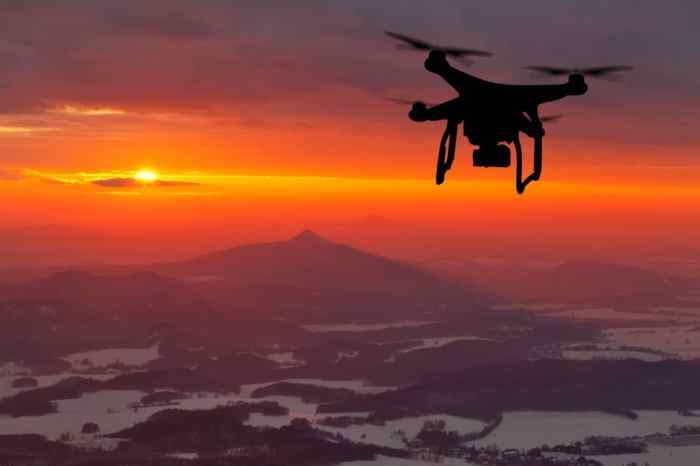
When it comes to drone photography, lighting and weather conditions play a crucial role in capturing stunning aerial images. Understanding how these factors affect your shots can greatly enhance the quality of your photographs.
Utilizing Natural Light for Aerial Images
One of the most important aspects of aerial photography is utilizing natural light to your advantage. Here are some tips to make the most of natural light:
- Shoot during the golden hours – the hour after sunrise and the hour before sunset provide soft, warm light that can enhance the colors in your images.
- Avoid shooting in harsh midday sunlight, as it can create strong shadows and overexposed areas in your photos.
- Experiment with different angles to see how the light interacts with your subject, creating depth and dimension in your aerial shots.
Impact of Weather Conditions on Drone Photography
Weather conditions can greatly affect your drone photography sessions. Here’s how to adapt to different situations:
- Check the weather forecast before heading out to fly your drone. Avoid flying in strong winds, rain, or foggy conditions that can compromise the safety of your equipment.
- Use weather apps or websites to monitor real-time weather conditions and plan your aerial photography sessions accordingly.
- Embrace cloudy or overcast skies, as they can create dramatic and moody effects in your aerial images. Just be mindful of the lighting conditions and adjust your camera settings accordingly.
Editing and Post-processing Tips for Aerial Photos
When it comes to aerial photography, capturing stunning images is only half the battle. Post-processing plays a crucial role in enhancing and refining your aerial shots to achieve a professional look. Here are some essential tips for editing and post-processing your aerial photos:
Techniques for Enhancing Aerial Photographs
- Adjusting exposure and contrast: Fine-tune the exposure and contrast levels to ensure that your aerial images pop with vibrant colors and details.
- Applying filters: Experiment with different filters to enhance the mood and overall aesthetic of your aerial photos.
- Cropping and straightening: Remove any distractions or unwanted elements by cropping your aerial images and ensure they are properly aligned.
- Removing noise: Use noise reduction tools to clean up any graininess or distortion in your aerial photos, especially in low-light conditions.
Examples of Before-and-After Editing of Aerial Images
Before editing, an aerial photo may appear dull and lackluster, but with the right post-processing techniques, you can transform it into a captivating and visually appealing masterpiece.
The Importance of Post-processing in Refining Aerial Shots
- Enhancing details: Post-processing allows you to bring out intricate details in your aerial photos that may not have been initially visible.
- Correcting imperfections: Whether it’s adjusting colors, removing blemishes, or improving composition, post-processing can help refine your aerial shots to perfection.
- Creating a signature style: Through editing and post-processing, you can develop a unique and recognizable style that sets your aerial photography apart from the rest.
Showcasing Your Aerial Photography Work
When it comes to showcasing your aerial photography work, it’s essential to explore different platforms that can help you reach a wider audience and connect with fellow photography enthusiasts. Creating a portfolio to highlight your best aerial shots is key to making a lasting impression and establishing your unique style.
Engaging with your audience and building a community around your drone photography work can lead to valuable feedback, collaborations, and opportunities for growth.
Exploring Different Platforms for Sharing and Showcasing
- Utilize social media platforms such as Instagram, Facebook, and Twitter to share your aerial photos with a vast audience.
- Consider creating a website or blog to display your portfolio in a professional and organized manner.
- Join online photography communities and forums to connect with like-minded individuals and gain exposure for your work.
Importance of Creating a Portfolio
Having a portfolio allows you to showcase your best work, highlight your skills and style, and make a memorable impression on potential clients or collaborators.
- Curate a selection of your top aerial shots that demonstrate your creativity, technical proficiency, and unique perspective.
- Organize your portfolio in a visually appealing and easy-to-navigate format to grab the viewer’s attention and keep them engaged.
- Update your portfolio regularly with new content to showcase your growth and versatility as a drone photographer.
Tips for Engaging with the Audience and Building a Community
- Interact with your followers by responding to comments, asking for feedback, and initiating conversations about your work.
- Collaborate with other photographers, brands, or influencers to reach a broader audience and create mutually beneficial partnerships.
- Participate in photography contests, exhibitions, or workshops to network with industry professionals and fellow enthusiasts.
Integrating Drone Photography into Travel Experiences
Drone photography has revolutionized the way we capture travel memories, allowing us to see the world from breathtaking new angles. By incorporating aerial views into your travel adventures, you can enhance your experiences and create stunning visual content to share with others.
Enhancing Travel Experiences with Drone Photography
Integrating drone photography into your travel itinerary can take your adventures to the next level. Here are some tips to make the most out of this exciting combination:
- Plan Ahead: Research the drone laws and regulations of your destination to ensure you can legally fly your drone in the area. Look for scenic spots that would benefit from aerial perspectives.
- Capture Unique Angles: Use your drone to capture shots that are impossible to achieve from the ground. Experiment with different heights and angles to showcase the beauty of your surroundings.
- Add Depth to Your Content: Aerial views can provide context and scale to your travel photos and videos. Incorporate drone shots in your travel blogs, vlogs, or social media posts to give your audience a fresh and captivating visual experience.
Examples of Aerial Views in Travel Content, Drone photography tips for aerial views
Many travel influencers and content creators have successfully integrated drone photography into their work, adding a new dimension to their storytelling. Here are a few ways aerial views can elevate travel blogs, vlogs, and social media posts:
“By capturing stunning drone footage of a sunrise hike in the mountains, I was able to transport my audience to a whole new level of immersive travel experience.”
Travel Vlogger
| Travel Blog: | Enhance your travel blog with aerial shots of iconic landmarks, hidden gems, or vast landscapes to give readers a bird’s eye view of your adventures. |
| Travel Vlog: | Incorporate drone footage into your travel vlogs to create cinematic sequences that capture the essence of a destination from a unique perspective. |
| Social Media Posts: | Share stunning aerial photos on your social media platforms to engage your followers and inspire them to explore the world from a different angle. |
FAQ Overview
What are some essential pre-flight checks before flying a drone for photography?
Before taking off, ensure the drone’s battery is fully charged, propellers are securely attached, and the GPS signal is strong to prevent any mishaps during flight.
How can I utilize natural light for stunning aerial images?
Opt for shooting during the golden hours of sunrise or sunset to capture warm, soft light that enhances the beauty of your aerial photographs.
Why is post-processing important in refining aerial shots?
Post-processing allows you to enhance the colors, contrast, and sharpness of your aerial images, giving them a professional and polished look that grabs the viewer’s attention.