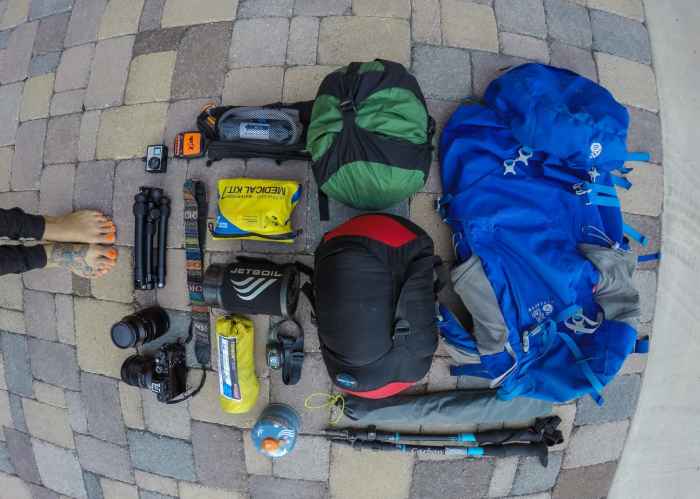
Backpacking Gear for Lightweight Travel
Backpacking gear for lightweight travel – When embarking on a backpacking trip, the weight of your gear can significantly impact your overall experience. Opting for lightweight gear not only makes it easier to carry but also allows you to cover more ground comfortably. Here are some tips and recommendations for selecting the best lightweight gear for your travels.
The Importance of Lightweight Gear
Choosing lightweight gear is essential for backpacking trips as it helps reduce strain on your body, allows for longer hikes, and ensures you can carry all the necessary items without feeling weighed down.
Selecting Compact and Versatile Gear
Look for gear that is not only lightweight but also compact and versatile. Items that serve multiple functions or can be easily packed into a small space are ideal for backpacking trips. Consider investing in multi-purpose tools or items that can be used in various situations.
Comparison of Lightweight Gear Brands
Some popular brands known for their lightweight backpacking gear include Osprey, REI Co-op, and Patagonia. These brands offer a wide range of products designed specifically for lightweight travel, from backpacks and sleeping bags to cooking equipment and clothing.
Essential Items for Lightweight Backpacking
- A lightweight backpack with ample storage and comfortable straps
- A compact and lightweight tent or hammock for overnight stays
- A sleeping bag that provides warmth without adding extra weight
- Portable cooking equipment such as a lightweight stove and utensils
- Quick-drying and moisture-wicking clothing for varying weather conditions
- A reliable water filtration system or purification tablets
- An emergency kit with essentials like a first aid supplies, flashlight, and multi-tool
Travel Tips
When preparing for a backpacking trip, efficiency is key. Here are some tips to help you pack light and smart:
Pack Efficiently, Backpacking gear for lightweight travel
One of the best ways to pack efficiently is to roll your clothes instead of folding them. This not only saves space but also reduces wrinkles. Additionally, use packing cubes or compression bags to organize your items and maximize space in your backpack.
Benefits of Multi-purpose Items
Opt for multi-purpose items such as a lightweight sarong that can double as a towel, scarf, or even a picnic blanket. This way, you can save space and weight by carrying fewer individual items.
Minimize Weight Without Compromising Essentials
Make a list of essentials and prioritize them based on your needs. Consider the climate and activities you’ll be doing to pack accordingly. Leave behind items that are nice to have but not necessary for your trip to reduce weight.
Staying Organized with Limited Gear
Keep your gear organized by using packing cubes or small pouches to separate different categories of items such as clothes, toiletries, and electronics. This will not only help you find things easily but also prevent your backpack from turning into a chaotic mess.
Travel Itinerary
When planning a backpacking trip, creating a well-thought-out itinerary is crucial to ensure a smooth and enjoyable journey. A good itinerary will help you maximize your time, budget, and experiences while allowing for flexibility and spontaneity along the way.
Sample Itinerary for a Lightweight Backpacking Trip
- Day 1: Arrive at the destination, explore the city center, visit local markets.
- Day 2-3: Hike to a nearby national park, camp overnight.
- Day 4-5: Travel to a coastal town, relax on the beach, try local seafood.
- Day 6-7: Head to a mountain village, go on a guided trek, interact with locals.
- Day 8: Return to the city, visit museums, enjoy the nightlife.
Tips for Planning a Flexible Itinerary
- Research transportation options and schedules in advance but leave room for last-minute changes.
- Include buffer days in case of unexpected delays or if you want to stay longer in a particular place.
- Prioritize must-see destinations but be open to serendipitous discoveries off the beaten path.
Incorporating Popular and Off-the-Beaten-Path Destinations
- Allocate more time for popular attractions to avoid crowds and make the most of your visit.
- Explore lesser-known places to experience local culture authentically and escape tourist traps.
- Ask locals for recommendations on hidden gems and unique experiences in the area.
Importance of Allowing Time for Rest and Exploration
- Prevent burnout by scheduling downtime to relax, reflect, and recharge during your trip.
- Balance adventure activities with leisurely exploration to fully immerse yourself in the destination.
- Embrace spontaneity and allow room for unplanned adventures and discoveries along the way.
Beach Resorts
When it comes to backpacking to beach resorts, there are both challenges and benefits to consider. Traveling light to a beach destination can be tricky due to the need for specific gear like beach towels, sunscreen, and swimwear. However, the freedom of exploring different beach destinations with just a backpack can be incredibly rewarding.
Here are some tips and recommendations to make your beach backpacking experience a breeze.
Choosing Lightweight Gear for a Beach Vacation
When selecting gear for a beach vacation, opt for lightweight and quick-drying materials. Look for compact beach towels, lightweight swimwear, and multipurpose items that can serve multiple functions. A portable beach umbrella or a lightweight beach tent can provide shade and protection from the sun without adding too much weight to your backpack.
Consider investing in a quality dry bag to keep your electronics and valuables safe from sand and water.
Sun Protection Essentials for Beach Backpacking
Sun protection is crucial when backpacking to beach resorts. Pack a high SPF sunscreen, a wide-brimmed hat, and polarized sunglasses to shield yourself from the sun’s harmful rays. Don’t forget to bring a reusable water bottle to stay hydrated throughout the day.
Consider lightweight and breathable clothing with UPF protection to keep your skin safe from sunburn while staying comfortable in the heat.
Unique Experiences at Beach Resorts
Backpackers can have unique experiences at beach resorts beyond just lounging on the sand. Try snorkeling or diving to explore the underwater world, take a surfing lesson to ride the waves, or go kayaking along the coastline for a different perspective of the beach.
Join beach yoga classes or beach clean-up activities to connect with the local community and immerse yourself in the beach culture. Don’t forget to catch a sunrise or sunset by the shore for a truly magical experience.
Cultural Tours
Exploring the cultural aspects of a destination can greatly enrich a backpacking experience. It offers a deeper understanding of the local way of life, traditions, and customs, creating memorable and authentic travel experiences.
Experiencing Culture While Backpacking
When backpacking with lightweight gear, prioritize activities that allow you to immerse yourself in the local culture. Attend cultural festivals, visit museums and historical sites, interact with locals, and try traditional cuisine to truly experience the essence of a place.
Respecting Local Customs and Traditions
Respecting local customs and traditions is crucial during cultural tours. Before visiting a destination, research the cultural norms, dress codes, and etiquette to ensure you are respectful towards the locals. Remember to ask for permission before taking photos and always follow any specific rules or rituals in sacred sites.
Researching and Understanding Culture
Before embarking on a cultural tour, take the time to research and understand the culture of the destinations you plan to visit. Learn about the history, language, religion, and social practices of the local community. This knowledge will not only enhance your travel experience but also show your respect for the culture.
Impact of Cultural Immersion
Cultural immersion can have a profound impact on backpacking experiences. It allows travelers to gain a new perspective, broaden their horizons, and foster cross-cultural understanding. By immersing yourself in the local culture, you create meaningful connections with the people and places you encounter, making your journey more enriching and unforgettable.
Cruise Vacations
When it comes to backpacking with lightweight gear on a cruise vacation, the concept may seem a bit unconventional. However, with careful planning and packing, it is indeed possible to enjoy the benefits of traveling light while exploring various destinations on a cruise ship.
Packing Essentials for On-board and On-shore Adventures
- Pack versatile clothing items that can be mixed and matched to create different outfits for various occasions on the cruise ship.
- Bring a lightweight backpack or daypack to carry essentials during on-shore excursions and exploration.
- Don’t forget to pack sunscreen, a refillable water bottle, comfortable walking shoes, and any necessary medication for both on-board and on-shore activities.
- Consider packing a collapsible water bottle or travel-friendly snacks to save money and stay energized during your adventures.
Maximizing the Cruise Experience while Traveling Light
- Opt for shore excursions that allow you to explore the destination on foot or independently, giving you the flexibility to immerse yourself in the local culture without carrying unnecessary gear.
- Utilize the amenities and services provided on the cruise ship, such as laundry facilities and rental gear, to minimize the number of items you need to pack.
- Engage in activities that align with your interests and travel style, whether it’s relaxing by the pool, attending onboard lectures, or participating in adventure sports.
Challenges and Benefits of Backpacking on a Cruise Ship
- Challenges: Limited storage space in cabins may require strategic packing and organization to make the most of the available room. Additionally, navigating crowded ports and managing your belongings during on-shore excursions can be challenging while traveling light.
- Benefits: Traveling light on a cruise ship allows for greater mobility and flexibility, making it easier to explore various destinations without being weighed down by heavy luggage. It also encourages a minimalist approach to travel, focusing on experiences rather than material possessions.
Backpacking Trips: Backpacking Gear For Lightweight Travel
Embarking on backpacking trips with lightweight gear can lead to unforgettable experiences and adventures. The freedom of traveling light allows for more spontaneity and flexibility, opening up opportunities for unique encounters and unexpected discoveries along the way.
Stories from Past Backpacking Trips
During a backpacking trip through Southeast Asia, I encountered a sudden downpour that left me drenched. Thanks to my quick-dry clothing and compact rain jacket, I was able to continue exploring without missing a beat.
Importance of Adaptability and Flexibility
Being adaptable and flexible is crucial during backpacking adventures, as situations can change rapidly. Whether it’s adjusting your itinerary due to unforeseen circumstances or making do with limited resources, embracing flexibility enhances the overall experience.
Tips for Dealing with Unexpected Situations
- Always carry a basic first-aid kit for emergencies.
- Stay informed about local weather conditions and pack accordingly.
- Have a backup plan in case of transportation delays or cancellations.
- Trust your instincts and be open to alternative solutions when faced with challenges.
Camaraderie and Connections on Backpacking Trips
One of the most rewarding aspects of backpacking is the camaraderie and connections formed with fellow travelers. Shared experiences, whether overcoming a hiking challenge or exploring a new city together, create lasting bonds and unforgettable memories.
City Breaks
When embarking on city breaks, traveling light can offer numerous advantages. Not only does it make navigating urban environments much easier, but it also allows for greater flexibility and mobility during your travels.
Advantages of Traveling Light on City Breaks
- Easy maneuverability in crowded streets and public transportation.
- Quick access to essentials without the burden of heavy luggage.
- Less risk of theft or loss of belongings.
- Opportunity to explore more areas without being weighed down.
Tips for Navigating Urban Environments with Minimal Gear
- Opt for versatile clothing items that can be mixed and matched.
- Use a lightweight backpack or daypack for easy carrying.
- Utilize digital maps and apps for navigation instead of paper maps.
- Avoid packing unnecessary items and prioritize essentials.
Recommendations for Essential Items to Carry During City Backpacking
- Water bottle to stay hydrated throughout the day.
- Portable phone charger for staying connected on the go.
- Travel-sized toiletries for freshening up during the day.
- Lightweight scarf or shawl for covering up in religious sites or chilly evenings.
Cultural and Historical Significance of City Destinations for Backpackers
City destinations often offer a rich tapestry of culture and history for backpackers to explore. From iconic landmarks to local traditions, these urban environments provide a unique insight into the heritage and lifestyle of the area.
Travel Blogs
Travel blogs focusing on lightweight backpacking are a valuable resource for travelers looking to explore the world in a minimalist and efficient way. These blogs offer insights, tips, and recommendations based on first-hand experiences, making them a trusted source of information for backpackers.
Recommendations for Popular Travel Blogs
- Adventure In You: This blog covers a wide range of travel topics, including lightweight backpacking tips and destination guides.
- The Broke Backpacker: Known for budget-friendly travel tips and advice, this blog also emphasizes the importance of traveling light.
- Nomadic Matt: With a focus on budget travel and sustainability, this blog offers valuable insights for backpackers looking to travel light.
Role of Travel Blogs in Inspiring and Informing Backpackers
Travel blogs play a crucial role in inspiring and informing backpackers by sharing personal stories, practical tips, and detailed guides on how to travel light. These blogs help readers discover new destinations, learn packing hacks, and stay updated on the latest travel trends.
Starting a Travel Blog for Backpacking Experiences
- Choose a niche within the backpacking travel space that interests you the most, such as eco-friendly travel, solo backpacking, or off-the-beaten-path destinations.
- Create engaging content with a mix of personal stories, travel tips, and destination guides to attract and retain readers.
- Establish a strong online presence through social media platforms and collaborations with other travel bloggers to reach a wider audience.
Community and Support Network in the Travel Blogging Sphere
Travel blogging creates a sense of community among like-minded individuals who share a passion for exploration and adventure. Through collaboration, networking events, and online forums, travel bloggers can connect, support each other, and inspire readers to embark on their own backpacking journeys.
Travel Essentials
When embarking on a lightweight backpacking trip, it is crucial to pack efficiently and prioritize essential items that will contribute to a comfortable and hassle-free travel experience. Quality over quantity is key when selecting travel essentials, as durable and reliable gear can make a significant difference during your journey.
Here are some tips on maintaining and caring for your travel essentials, along with suggestions for innovative and space-saving items to consider packing.
Checklist of Essential Items
- Lightweight and durable backpack
- Multi-purpose clothing items (quick-dry fabrics, layers for versatility)
- Compact and efficient sleeping bag
- Portable water filter or purification tablets
- Quality hiking shoes or boots
- First aid kit with essential medications
- Compact camping stove and cookware
- Navigation tools (map, compass, GPS)
- Portable charger for electronic devices
- Lightweight and quick-dry towel
Importance of Quality over Quantity
Investing in high-quality travel essentials may cost more initially, but the durability and performance of these items will prove invaluable during your trip. Opting for well-made gear can enhance your overall travel experience and provide peace of mind knowing that your essentials will withstand the rigors of your journey.
Tips for Maintaining and Caring for Travel Essentials
- Regularly clean and inspect gear to prevent damage and ensure longevity.
- Follow manufacturer recommendations for maintenance and storage of items.
- Repair or replace damaged gear promptly to avoid issues during your trip.
- Store essentials in waterproof containers or bags to protect them from moisture.
Innovative and Space-Saving Travel Essentials
- Collapsible water bottles or containers
- Microfiber travel towels that dry quickly and fold compactly
- Portable and lightweight camping hammock for versatile sleeping options
- Multipurpose tools such as a travel-friendly utensil set or a compact solar-powered lantern
- Compression packing cubes to maximize space in your backpack
Travel Photography
Travel photography is an essential part of capturing memorable moments during your backpacking adventures. It allows you to document your experiences, share them with others, and look back on them in the future. When traveling light, it’s important to choose the right photography gear that is compact, lightweight, and easy to carry.
Tips for Lightweight Travel Photography
- Invest in a mirrorless camera or a high-quality smartphone with a good camera to reduce weight and space in your backpack.
- Pack versatile lenses that cover a wide range of focal lengths to capture different types of shots without carrying multiple heavy lenses.
- Consider using a lightweight tripod or a mini tripod for stability when shooting in low light conditions.
- Use a camera bag or case that is lightweight, compact, and provides adequate protection for your gear.
- Opt for memory cards with high storage capacity to avoid carrying multiple cards and backups.
Significance of Photography in Backpacking
Photography plays a crucial role in documenting your backpacking experiences, allowing you to create visual memories that can be shared with friends and family. It helps you capture the beauty of different destinations, cultures, and landscapes, preserving them for years to come.
Recommendations for Lightweight Camera Equipment
- Sony Alpha a6000: A popular mirrorless camera known for its compact size, excellent image quality, and fast autofocus.
- GoPro Hero 9 Black: A versatile action camera that is lightweight, waterproof, and ideal for capturing adventures on the go.
- DJI Osmo Pocket: A small and portable gimbal camera that provides smooth, stabilized footage for travel videos and vlogs.
- Fujifilm X100V: A compact and stylish camera with a fixed lens, perfect for street photography and everyday travel moments.
Ethics of Photography in Travel
Photography ethics are essential when traveling, especially in culturally sensitive areas. Always ask for permission before taking photos of locals, respect their privacy, and avoid intruding on sacred or private spaces. Be mindful of the impact of your photography on the environment and local communities, ensuring that your images portray destinations in a respectful and authentic light.
Question Bank
What are some key considerations when choosing lightweight gear for backpacking trips?
When selecting gear for backpacking, prioritize weight, durability, and versatility. Look for items that serve multiple functions and are compact in size.
How can I pack efficiently for a backpacking trip?
To pack efficiently, roll your clothes, use packing cubes, and eliminate non-essential items. Maximize space by filling gaps in your backpack with smaller items.
What are some unique experiences backpackers can have at beach resorts?
At beach resorts, backpackers can enjoy activities like snorkeling, beach bonfires, and sunrise yoga sessions. They can also immerse themselves in the local culture by trying traditional cuisine and participating in cultural events.